




Table of content
History
Natural Soaps Through History. Archaeological research in ancient Babylon has revealed evidence that the Babylonians were making soap as early as 2800 BCE. Babylon was the first to perfect the art of soap making. This soap was made by boiling fat together with ashes. It was used for cleaning wool and textiles in workshops, and it was also used for medicinal purposes for over 5,000 years.
Research in Egypt has shown that the Egyptians mixed animal fat and vegetable oils with alkaline salts to produce a substance similar to soap.
The Phoenicians used goat tallow with ashes to make soap around 600 BCE.
For example, the Celts made soap from animal fat and a mixture of plant ashes. They called this invention “saipo,” from which the English word “soap”(“soap”).
The first soaps were not used for personal hygiene, but primarily for cleaning objects or clothing.
During the 7th century, the recipe and technology had advanced enough that soaps began to acquire colors and fragrances.
During the 15th century, France began mass-producing soap to provide sufficient supplies for the entire nation. At that time, there were factories in Provence and Marseille.
Interestingly, during the 19th century, soap was taxed and considered a luxury item in many countries. By the end of the 19th century, these taxes were abolished, allowing the majority of the population to access basic hygiene standards, which became a significant tool in the fight against typhus and other infectious diseases prevalent at the time.
During the First and Second World Wars, there was a shortage of plant and animal fats, which had been used in soap production up to that point. For this reason, scientists began looking for ways to overcome this problem. The solution they found at the time was the synthetic production of substances with similar properties. This invention is actually known as detergent.
Today, many of the products we call soaps are actually detergents and have little to do with nature.
This is the reality we live in, but that’s why we are here – to raise awareness about the nature around us and to make this reality better.
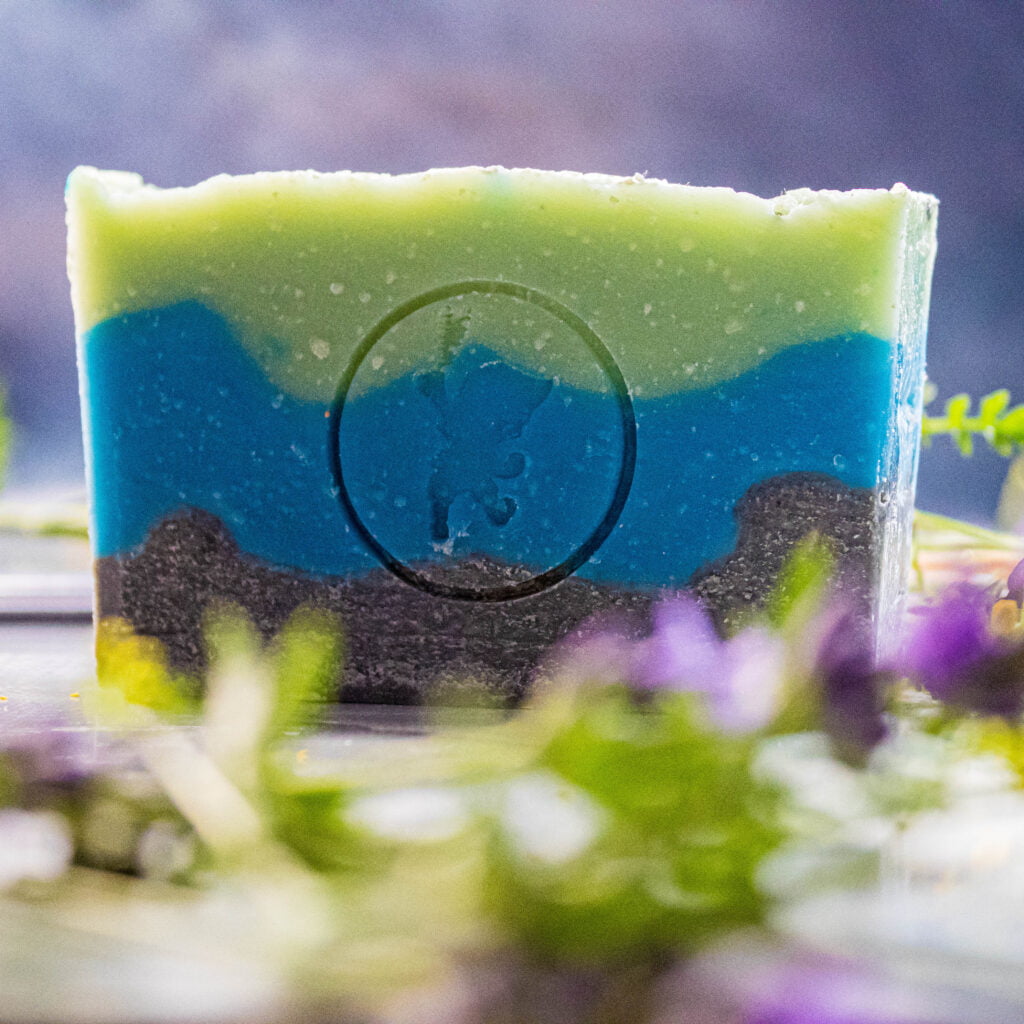
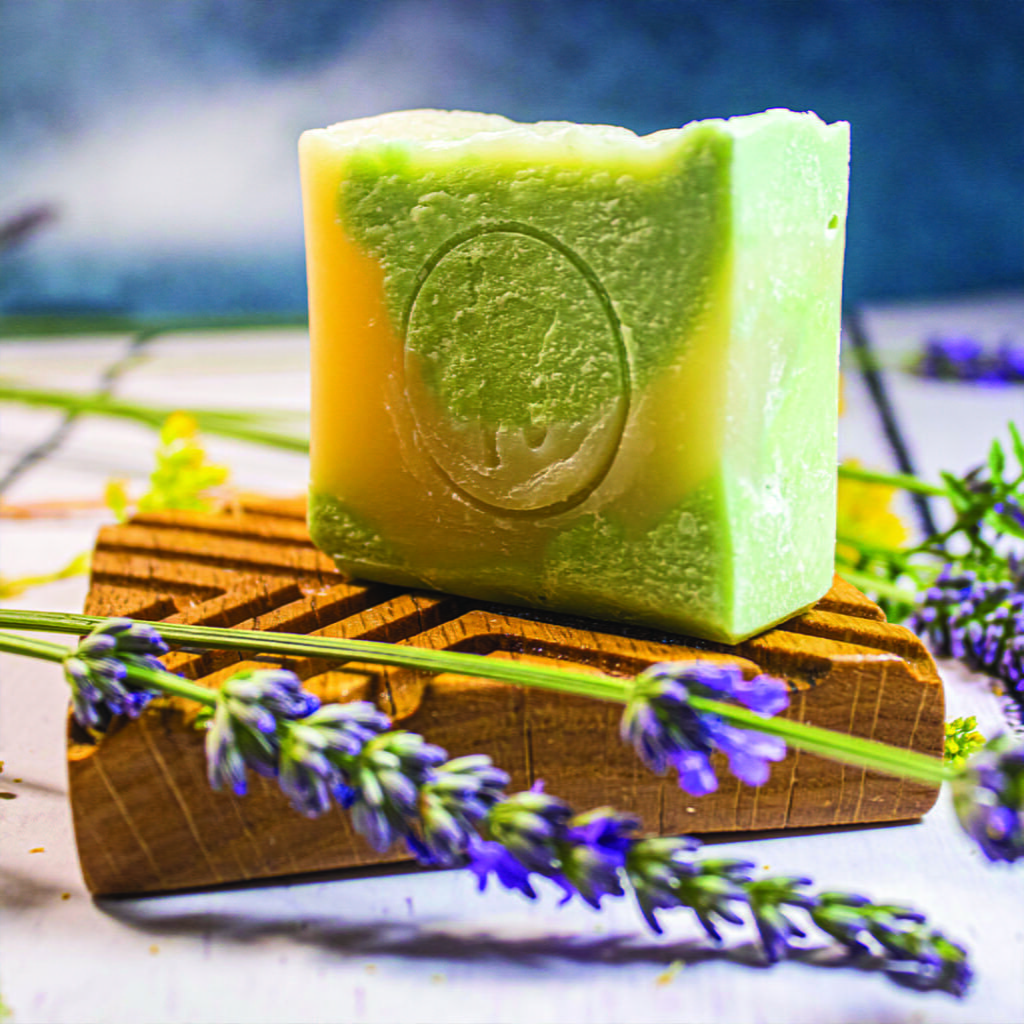
The Art of Soap Making
Soaps can be found in various shapes and forms. Their use is diverse and versatile – from washing hands, hair, and face, to household cleaning. They all share the same chemical origin. They are produced by mixing fats or vegetable oils with an alkaline solution (Sodium hydroxide or Potassium hydroxide).
In fact, soap is the result of a chemical reaction called “saponification,” which occurs between an alkaline solution and molecules called triglycerides found in oils or fats. Both substances are chemically transformed into soap and natural glycerin. After the reaction, none of the original substances remain. All the alkaline solution is “consumed” during the chemical reaction.
So, even though the soap is made with an alkaline solution, at the end of the process it does not contain any molecules of it.
The modern approach to making natural soaps even includes a method where more oils are used in the mixture than necessary. This method is called “super-fatting"In this way, we can not only confidently state that the entire alkaline content has been transformed in the chemical reaction, but the soap as the final product also gains additional moisturizing properties due to the excess oil that remains 'trapped' within the soap itself. We wrote about this in the previous text“, in the section for soaps for dry skin.
Understanding chemistry and chemical processes also brings the possibility of informing the public and changing perspectives on the world.
For some reason, there is a negative perception of using alkaline solutions in soap making, but the fact is that all soaps are made this way, whether in solid or liquid form.
If you notice that a manufacturer advertises their product as soap without alkaline solution, caustic soda, or something similar, what you are buying from them is not soap, but an industrial detergent.
The conclusion is that alkaline solution is not a “villain,” nor should soap made this way be avoided; on the contrary, it should be embraced.
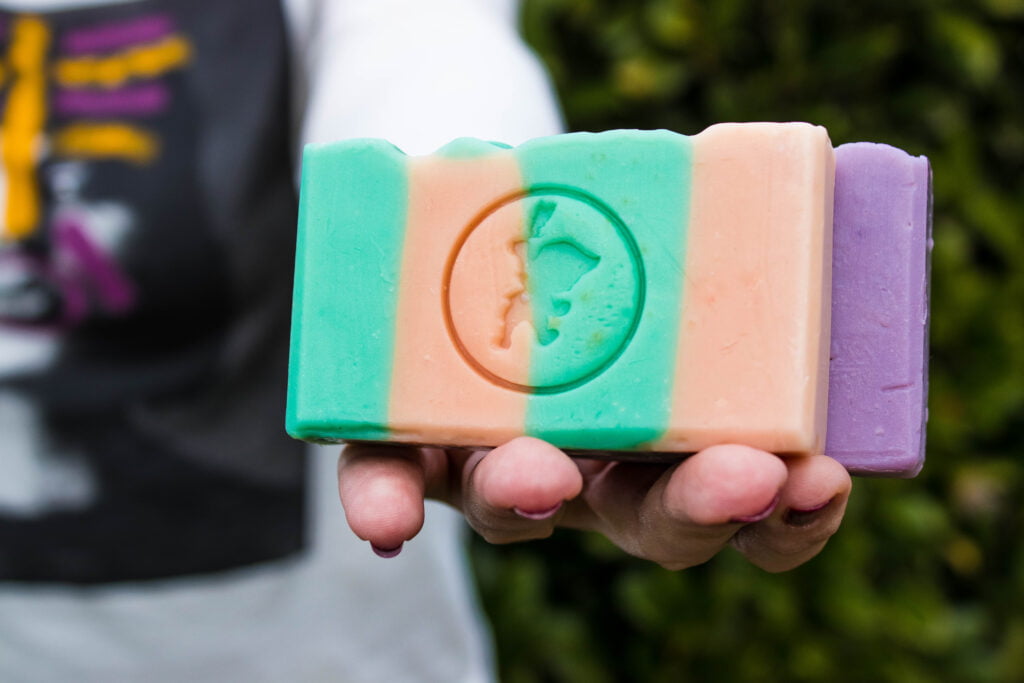
Why Handmade Production
Handmade production has multiple advantages compared to machine or mass production.
Some of these reasons include control and avoidance of unwanted ingredients in the final product, economic competitiveness, preservation of the artisanal spirit and ethical values. Of course, throughout all this runs the basic human satisfaction of creating something with your own hands. “Hand – to hand.”
Control of unwanted ingredients
Industrial soaps usually contain various alkaloids, which are the most common cause of skin irritations. These detergents, based on petroleum by-products, dry out the skin and remove its natural protective layers. Other unwanted ingredients in industrial soaps include DEA, isopropyl alcohol, BHT, and triclosan. None of these ingredients are natural for human skin. The skin simply does not absorb these substances, and they accumulate on the surface, which in the long term can lead to various dermatological problems.
Triclosan is one of the ingredients that causes the most public concern. It is most commonly found in industrial antibacterial soaps. Its purpose is to act preventively against bacteria, allowing the immune system to fight them. Although it has been used in the industry for over 30 years, scientific studies have shown that this ingredient actually affects hormone regulation in the body.
Of course, from an economic and technological standpoint, the presence of such ingredients in industrial soaps is understandable. Batch and machine production on an assembly line requires special formulations, particularly for the storage of raw materials and the production process, which simply isn’t cost-effective if natural ingredients are used. All natural ingredients have a certain shelf life, and it is understandable why the industry resorts to various tricks to reduce costs. The problem is that in all this, something very important gets lost, and that is…
Desired Ingredients
Handmade soap production allows exactly what we strive for: avoiding everything undesirable and artificial on our skin or in the environment. Of course, even though there are chemical processes that must occur during soap making, the recipe for natural soaps is completely different.
Because natural soaps are made in relatively small batches at a time, there is no need to have large quantities of raw materials in one place at the same time.
Therefore, it is not necessary to add various preservatives to extend the shelf life of the raw materials, as fresh and natural ingredients are used immediately in production. At the same time, this reduces the cost of storing raw materials, which helps maintain market competitiveness. Of course, expensive machines and their maintenance also contribute to the cost of industrial products, which is not the case here.
The basic chemical principles used in the production of natural soaps are based on the reaction of water or liquid, natural oils, and an alkaline solution. Many consider alkaline solution to be harmful and unnatural, but in fact, this substance can also be found in nature. This solution can be obtained by leaching ashes and boiling them in water. The fact is that after the chemical reaction of "saponification" is complete, the alkaline solution does not remain in the final product.
The choice of natural oils when formulating natural soap is diverse. The list ranges from the most popular oils, such as organic coconut oil or cold-pressed unrefined olive oil, which the skin easily absorbs, to exotic oils that offer various benefits for the skin.
Coconut oil, for example, has strong antibacterial properties, which serve as a natural alternative to undesirable triclosan.
Handmade soap making provides the opportunity to incorporate the benefits of various natural essential oils, which is not easily achievable in industrial production. In industrial production, perfumes or synthetic oils are usually used, as they behave much more stably during mass production. Of course, synthetic perfumes and fragrance oils are something we do not want on our skin.
Conclusion
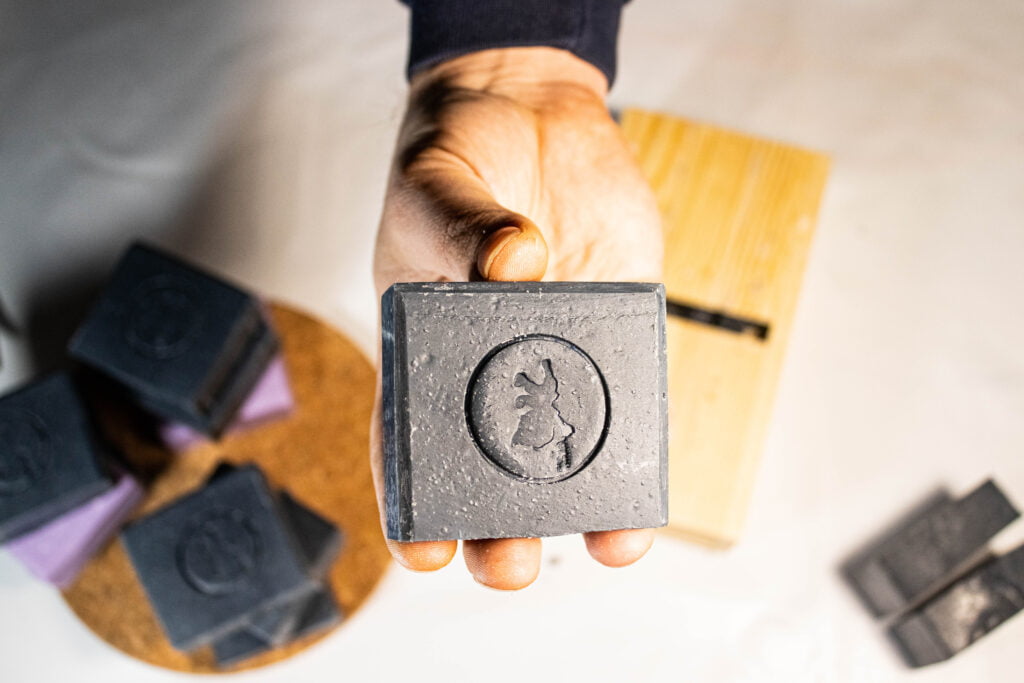
What we can conclude from this little story is that handmade production definitely has its advantages, which naturally affect the quality of the final product. Of course, handmade production also requires much more physical effort, but that effort is ultimately reflected in the final product and its quality.
To master the art of making natural soaps requires time and effort, so that each subsequent batch turns out perfectly.
In this process, a lot of patience is required, and there will be moments of “banging your head against the wall” when something doesn’t turn out right. The key is not to give up.
After all, small producers provide a level of service that we cannot expect from a large corporation. That’s why people are increasingly turning to them and placing greater trust in handmade products.
“Hand to Hand”
Thank you for that!
With smile,
Balavander
Leave a Reply