




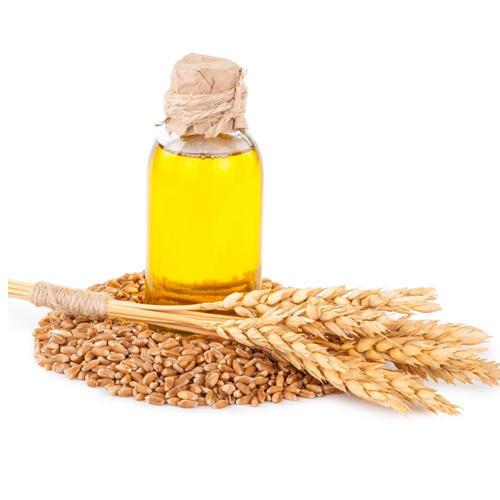
What is Vitamin E?
Vitamin E was discovered in 1922, isolated in 1935, and first synthesized only in 1938. Since the activity of the vitamin was first identified as very important in fertilized cells during fetal development, it was given the name Tocopherol from the Greek words “to give birth” and “to carry.”
Differences between natural and synthetic Vitamin E:
1. Natural Vitamin E has a higher concentration. The biological activity of natural Vitamin E is more than 3 times greater than that of synthetic. Natural Vitamin E does not cause side effects.
2. The absorption of natural Vitamin E is better than synthetic. It has been scientifically proven that natural Vitamin E is absorbed 2 to 8 times better in the body compared to synthetic, especially in pregnant women.
3. Natural Vitamin E lasts longer and circulates longer in the body.
4. Natural Vitamin E is safer, obtained by refining and distilling plant oils, usually from wheat germ.
Application of Vitamin E in Natural Cosmetics
Of all the ingredients and components used in the creation and formulation of natural cosmetics, the greatest value is given to vitamins. Unlike the vitamins we intake through food, the vitamins found in products such as creams, lotions, or balms are absorbed through the skin.
Vitamin E in the Fight Against Aging
It has been scientifically proven that Vitamin E within human cells reduces the activity of the MMP-1 enzyme, which affects cell aging. This enzyme is responsible for breaking down collagen in skin cells and influences its elasticity, which over time contributes to the formation of wrinkles. When used regularly, natural cosmetics containing Vitamin E can increase the concentration of collagen in the skin, making it look younger and more elastic. Unlike the Vitamin E we intake through food, the Vitamin E found in cosmetic products reliably reaches skin cells, where it dissolves and participates in the fight against aging.
Vitamin E in the Fight Against Inflammatory Processes
Vitamin E not only affects the prevention of cell aging, but also helps prevent inflammatory processes in the skin and supports cell regeneration. For this reason, it can assist in the healing of minor wounds on the skin.
Vitamin E is an integral part of many sunscreens and balms. Excessive sun exposure can lead to inflammatory processes and skin lesions, which manifest as redness.
Tocopherol can preventively influence this occurrence or relieve the pain if it has already occurred.
Tocopherol: Reducing the Impact of UV Rays
When UV rays hit a skin cell, energy is transferred within its molecules. This phenomenon leads to the formation of free radicals. If the cell contains enough Vitamin E, the free radicals will be neutralized as quickly as possible. If this is not the case, the free radicals will damage the cell membrane, leading to cell injury and a shortened lifespan. If this process occurs over a larger area of the skin, it results in burns and redness.
Conclusion
After a brief history and a short introduction to this ingredient, we are ready to conclude the following:
Vitamin E is a very important ingredient in the production and formulation of natural cosmetics.
The benefits it offers are numerous and undeniable. Period.
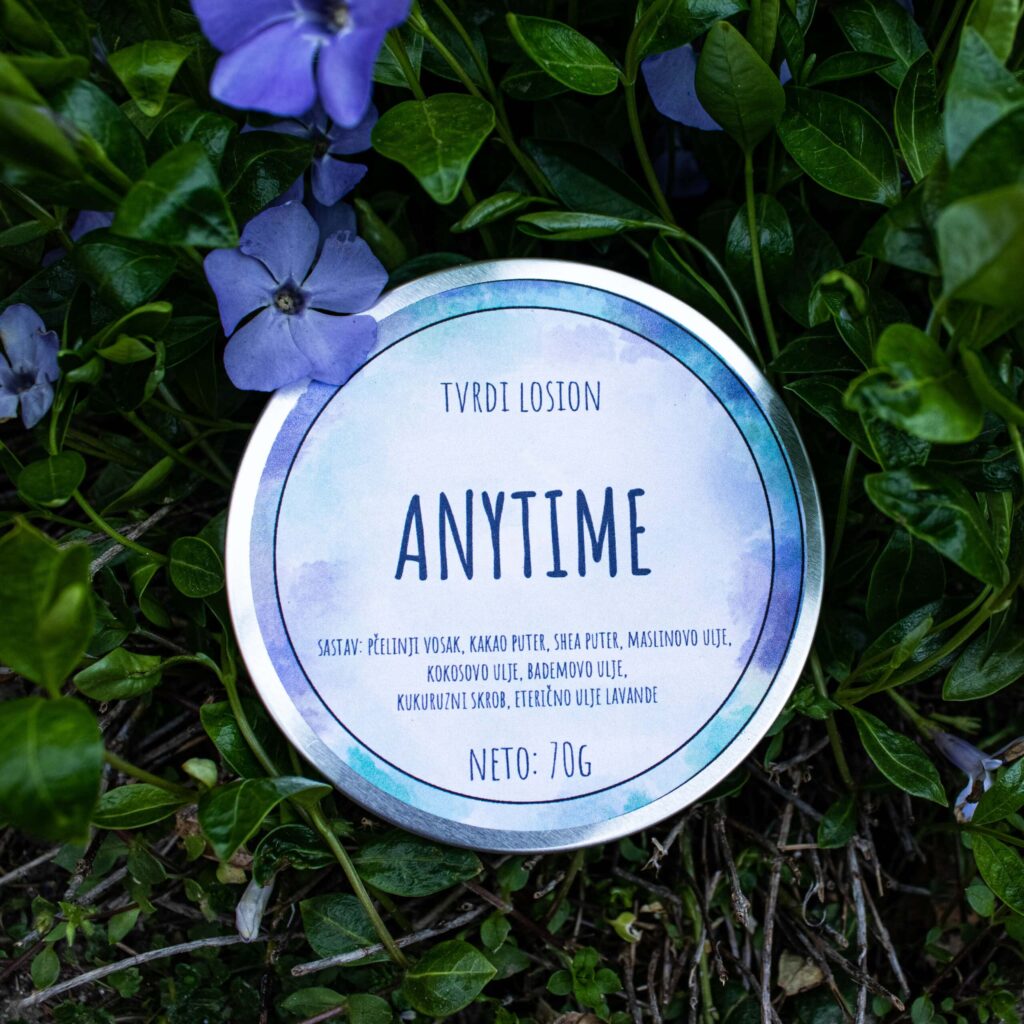
During formulation of a natural lotion and of hair balms, in addition to using exclusively natural oils and plant butters, we also included natural Vitamin E, obtained by distilling wheat germ, which is one of the key ingredients.
We did this because we are aware of its benefits and its importance for the regeneration and care of the skin that we love and cherish.
Due to the presence of Vitamin E, Balavander products of natural cosmetics, in addition to hydrating and caring for your skin and hair in a natural and safe way, will help with regeneration, rejuvenation, and protection from UV rays.
"Thank you, Vitamin E!"
…from the life of a Balavander, 720 AD.
Leave a Reply