




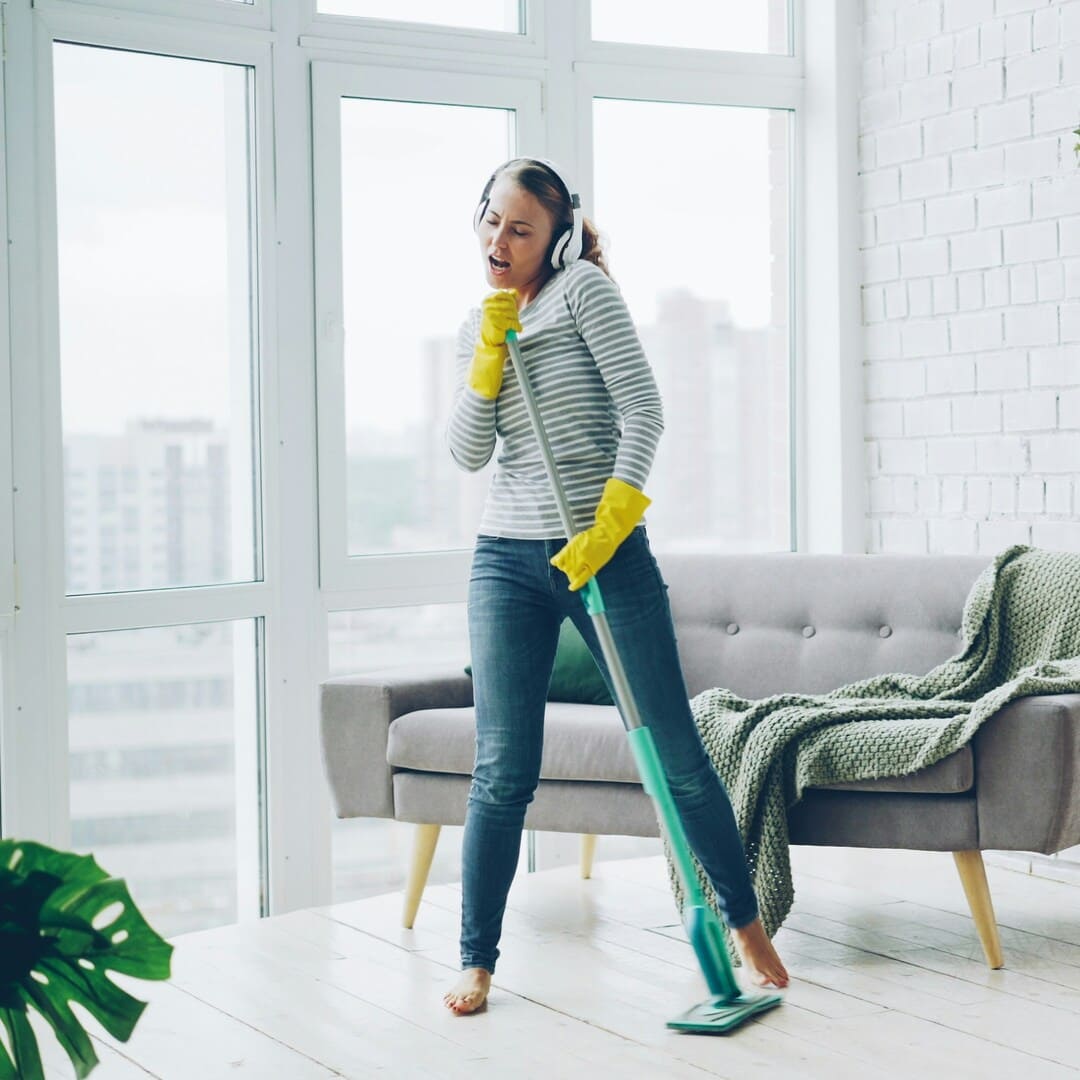
But have you ever wondered what actually hides behind those attractive labels and intense fragrances?
Table of content
What's hiding in industrial cleaning products?
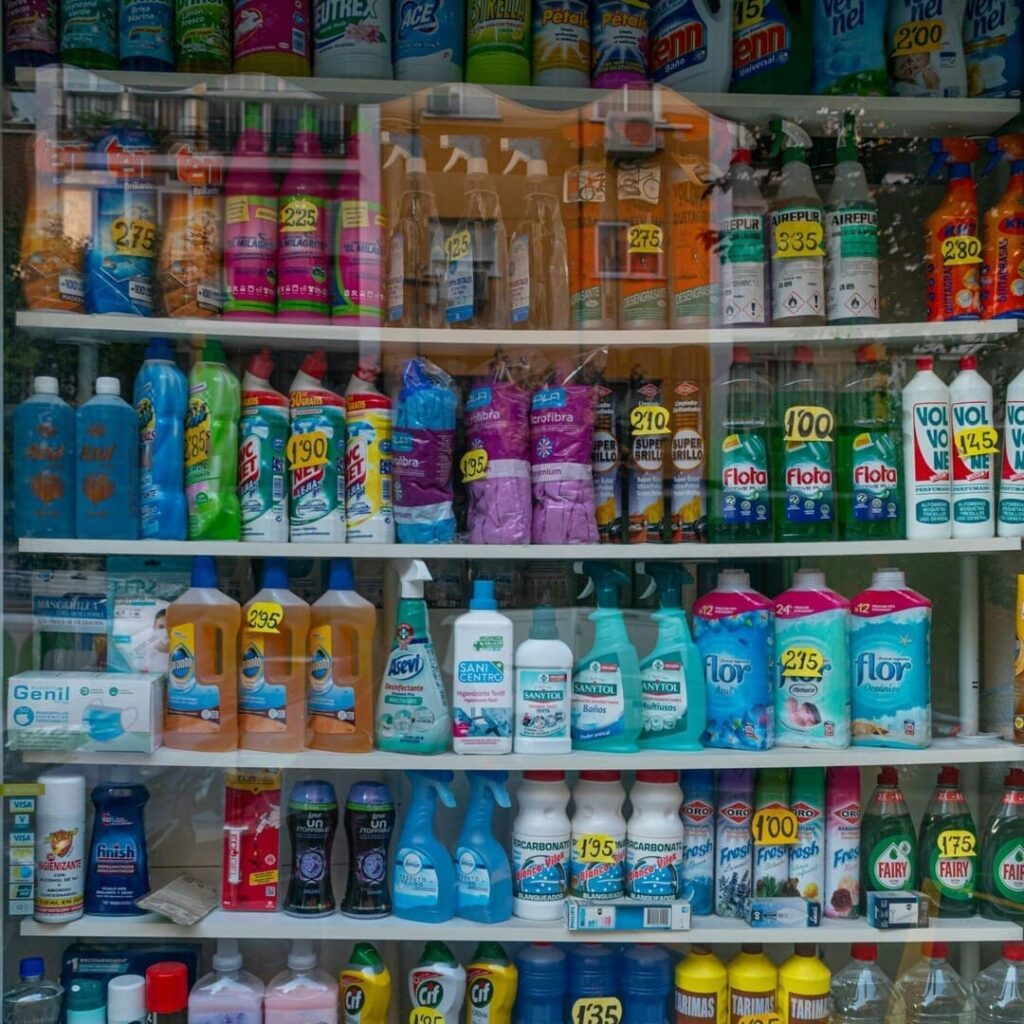
When you pick up a typical bottle of industrial cleaning product and turn it toward you to read the label, you often face two things: promises of brilliant cleanliness on the front and a long list of incomprehensible chemical names on the back.
Between those lines hide warnings that many of us automatically skip – but perhaps we should stop and read them.
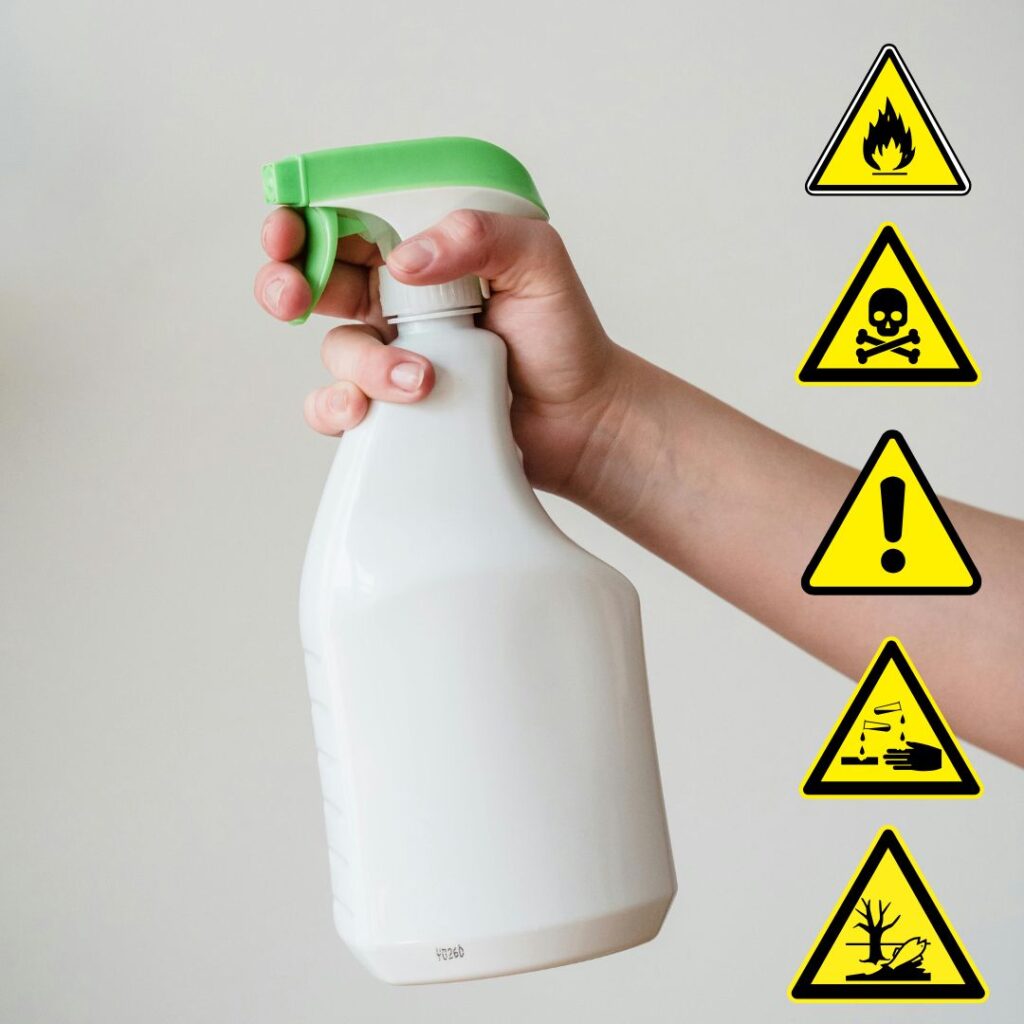
Most conventional cleaning products contain a real cocktail of chemicals whose names we can barely pronounce, let alone understand their effects on our health and the environment. Just look at the labels – words like
❌ DANGER
❌ POISONOUS
❌ IRRITATES
❌ FLAMMABLE
❌ CORROSIVE
❌ KEEP OUT OF REACH OF CHILDREN
❌ DO NOT INHALE VAPORS
are not there by accident.
These are legally required warnings that manufacturers must display when a product contains substances that can cause harm.
Chemical culprits – what are we actually cleaning our homes with?
Chlorine bleach (sodium hypochlorite) – Perhaps the most well-known disinfectant and bleaching agent. While effective at killing bacteria, chlorine bleach can cause serious irritation to the respiratory tract, skin, and eyes. When mixed with other chemicals (especially ammonia or acids), it creates toxic gases that can be deadly. Chlorine vapors can damage the lungs, and skin contact leads to chemical burns. Many of us remember that sharp, suffocating smell – that's not the smell of cleanliness, it's the smell of chemical aggression.
Ammonia (ammonium hydroxide) – Known for its pungent, strong smell that "cuts" through the nose and throat. Ammonia irritates the lungs, mucous membranes, eyes, and skin. In people with asthma or respiratory problems, it can trigger serious attacks. Even in small concentrations, prolonged inhalation of ammonia can lead to chronic breathing problems. And yet, it is present in many glass, bathroom, and floor cleaning products.
Phosphates – They may not directly affect our health like the previous two chemicals, but their impact on the environment is catastrophic. Phosphates released into waterways contribute to eutrophication – a process in which excessive algae nutrition occurs, leading to reduced oxygen in water and death of aquatic organisms. Many countries have banned or restricted the use of phosphates in detergents, but they are still present in some cleaning products.
Phthalates – These chemicals are often used as solvents and to fix fragrances in cleaning products. The problem? Phthalates are endocrine disruptors – meaning they can interfere with the normal functioning of hormones in our body. They are linked to problems in the reproductive system, developmental problems in children, and even increased risk of certain types of cancer. Worst of all – they are often not listed on the label because they are considered part of "perfume" or "fragrance," which allows manufacturers to hide them.
VOCs – Volatile Organic Compounds – These compounds easily evaporate at room temperature and contribute to indoor air pollution. Formaldehyde, benzene, toluene – are just some of the VOCs that can be found in cleaning products. Short-term exposure can cause headaches, dizziness, eye and throat irritation. Long-term exposure is linked to liver, kidney, central nervous system damage, and even cancer. The irony? While we clean our home, we are actually polluting the air we breathe.
Synthetic surfactants (SLS, SLES – sodium lauryl sulfate, sodium laureth sulfate) – These are aggressive detergents that create foam and "clean" by dissolving grease. The problem is they don't distinguish between dirt and the natural protective oils of our skin. SLS and SLES can irritate skin and eyes, cause allergic reactions, and in some people lead to dermatitis. Additionally, their production process often results in contamination with 1,4-dioxane, a known carcinogen. And while they wash our surfaces, they end up in waterways where they are difficult to degrade and harm aquatic life.
Quaternary ammonium compounds (QACs) – Often found in antibacterial cleaning products. While they effectively kill bacteria, QACs can cause asthma, allergic reactions, and skin irritation. Research shows they can contribute to the development of bacterial resistance to antibiotics – which is a global health problem. Additionally, they are toxic to aquatic organisms and do not degrade easily in nature.
| Conventional ingredient | Risk | Natural alternative (Balavander) |
|---|---|---|
| Chlorine bleach | Lung/skin irritation, toxic gases | Acetic + citric acid |
| Ammonia | Irritates the respiratory tract and mucous membranes | Alcohol (ethanol) |
| SLS / SLES | Skin irritation, 1,4-dioxane contamination | Coco Glucoside |
| Phthalates / synthetic fragrances | Endocrine disruptors | Essential oils + lavender hydrosol |
| QAC | Asthma, antibiotic resistance | Essential oils (antimicrobial) |
The air we breathe – invisible danger
Yes, you read that right – the air in our homes, where we spend most of our time, where we sleep, where our children grow up, can be more polluted than the air on city streets.
One of the main culprits? Industrial cleaning products we use every day.
Those chemicals don't magically disappear – we breathe them in, our children breathe them in, our pets breathe them in. They settle on surfaces, absorb into textiles, remain in the air for hours, sometimes days.
- Respiratory problems
- Asthma (especially in children)
- Allergies
- Chronic inflammation of the respiratory tract
- Hormonal disorders
- Skin problems
Professional cleaners – the price of cleanliness
Research from the University of Bergen (Norway) followed over 6,000 participants for more than 20 years and came to concerning results: women who regularly use chemical cleaning products – whether professionally or at home – showed an accelerated decline in lung function, comparable to the effect of smoking a pack of cigarettes a day for 10 to 20 years.
Read that again. Long-term cleaning of the home with chemical products can leave a mark on the lungs comparable to long-term smoking.
The question we should ask...
Why natural cleaning products?
Natural cleaning products are not a modern invention – our grandmothers and great-grandmothers used simple, effective ingredients that were available in every home. The difference is that today we have scientific evidence that confirms their effectiveness.
1. Health first
Natural products do not contain aggressive chemicals that irritate skin, eyes or respiratory tract. This is especially important for families with small children, pregnant women, people with allergies or asthma, and pets who are particularly sensitive to chemicals.
2. Cleaner air in your home
Without VOCs and synthetic fragrances, the air in your home remains clean and fresh. Instead of artificial perfumes, natural products use essential oils that not only smell pleasant but also have antimicrobial properties.
3. Environmental responsibility
Natural products are biodegradable and do not pollute aquatic ecosystems. Packaging can be recycled or reused, reducing plastic waste.
4. Cost-effectiveness
Many natural products can be made from simple ingredients – which is often cheaper than expensive industrial products.
Research confirms that natural ingredients can be just as effective as chemical ones.
Natural cleaning ingredients that really work – the science behind clean nature
- 100% biodegradable
- Does not irritate skin and eyes
- Environmentally friendly
- Gentle on all surfaces
- Effective in removing grease and dirt
How to switch to natural products?
- Start with one room – e.g. kitchen or bathroom
- Replace products as they run out – you don't have to throw away everything you have right away
- Try ready-made natural products – if you don't have the time or desire to make them yourself
- Read labels – educate yourself about ingredients to avoid (look for words: DANGER, POISON, SLS, SLES, phthalates, parabens)
- Be patient – natural products may require a little more effort, but the results are worth it
Our contribution to a cleaner and healthier future
At Balavander we believe that cleaning doesn't have to be a compromise between effectiveness and health.
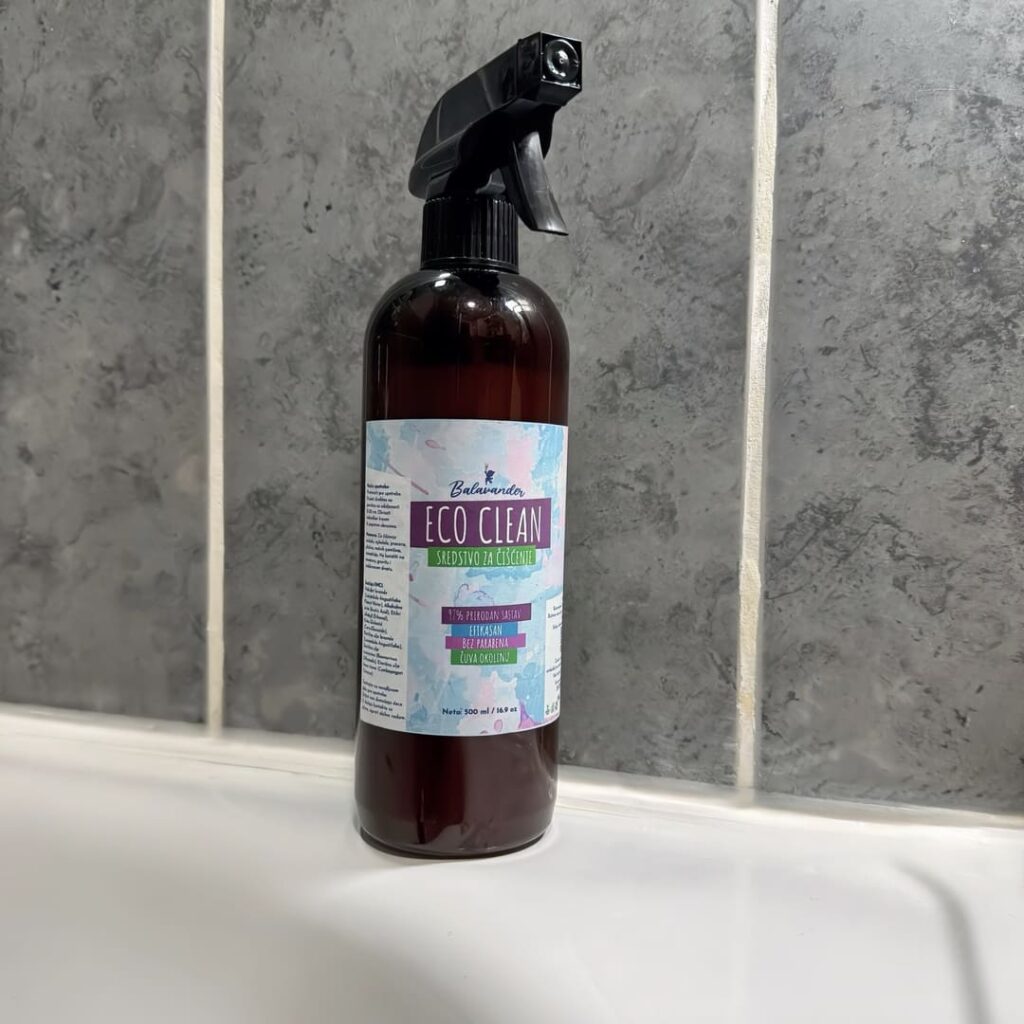
Ours Eco Clean natural cleaning product is made from carefully selected ingredients:
✨ Natural vinegar – centuries-proven cleaning power
✨ Alcohol – quick disinfection without traces
✨ Coco Glucoside – the gentlest natural surfactant, powerful against dirt, gentle to you and nature
✨ Essential oils of lavender, rosemary and lemongrass – not just scent, but also natural protection
Conclusion
Every time you choose a natural product, you vote for cleaner air in your home, for a healthier environment and for a planet that will remain green and clean.

Natural cleaning product
Eco Clean – natural cleaning product
780 RSD Original price was: 780 RSD.650 RSDCurrent price is: 650 RSD.
Frequently asked questions
They are. Ingredients like acetic acid, ethanol, and coco-glucoside dissolve grease and remove dirt just as well as synthetic products. A peer-reviewed study (BMC Microbiology, 2020) showed that acetic acid at a concentration of 10% alongside citric acid reduces the number of tested bacteria by more than 99.999%. Natural products sometimes just need to sit for a minute to work best.
Natural ingredients have real antimicrobial properties and significantly reduce the number of germs on everyday surfaces. However, "disinfectant" is a legally regulated term — for the complete disinfection of medical or high-risk spaces, use a registered product. For everyday home cleaning, natural products keep surfaces truly clean, without toxic residues.
That is one of their biggest advantages. Without chlorine, ammonia, VOCs, and synthetic fragrances, there are no harsh fumes or dangerous residues on floors and surfaces. Therefore, they are significantly safer for homes with small children, pregnant women, people with allergies or asthma, and pets.
Pay attention to chlorine bleach (sodium hypochlorite), ammonia, phosphates, phthalates (often hidden under "fragrance"), VOCs like formaldehyde, and harsh surfactants SLS and SLES. Any label marked "Danger", "Poison", or "Do not inhale fumes" is a signal to think twice.
Yes. They are biodegradable and do not release phosphates or persistent surfactants that pollute waterways and harm aquatic life. Recyclable and reusable packaging further reduces plastic waste.
Many all-purpose natural cleaners work on glass, mirrors, tiles, countertops, and furniture. Balavander Eco Clean, for example, is formulated precisely for this range of surfaces.
Not necessarily. Simple natural products can be made from inexpensive ingredients, and ready-made ones like Eco Clean are competitively priced — with savings on hidden costs to health and air quality.
It is made from lavender hydrosol from our field, natural vinegar, alcohol, mild coco-glucoside, and essential oils of lavender, rosemary, and lemongrass — 97% natural composition, vegan, free of synthetic fragrances, parabens, and hazard symbols.
Leave a Reply