


Free shipping in Serbia for orders over 3490 RSD

Language

Lavender Against Moths – Natural Protection and Fragrance for Your Wardrobe

You surely remember your grandmother's wardrobe. You'd open the door and out would drift the scent of lavender, starched linens and something warm that felt like home. Somewhere between the towels there was always a faded cloth sachet.

That sachet wasn't there just for the scent. Grandmothers knew well what science confirms today: moths can't stand lavender. Using lavender against moths is one of the oldest household tricks.

In this article, we explore where this tradition comes from, who is actually making the holes in your sweaters, what researchers say about lavender, and how to use it to keep your wardrobe free of uninvited guests.

The connection between lavender and clean clothes is older than you might think. The plant's name is most often linked to the Latin verb lavare, meaning "to wash". Historians disagree, however, on whether this origin really goes back to ancient Rome or arose only in the Middle Ages, when lavender was widely used to scent water and freshly washed linen.

In medieval England, washerwomen were called lavenders, and the expression "to lavender" simply meant to do the laundry. They often dried the washed linen by draping it over lavender bushes, so the bedding soaked up its scent.

But lavender wasn't just about a pleasant scent. At a time when a single piece of cloth took many hours of handwork, linen was treasured like a family heirloom. Street vendors sold bundles of lavender, and housewives tucked them into wardrobes and chests to protect the fabric from moths.

This habit has survived for centuries and made its way to our grandmothers. We simply inherited it.

lavanda-protiv-moljaca-1

Who's Really Eating Your Sweater?

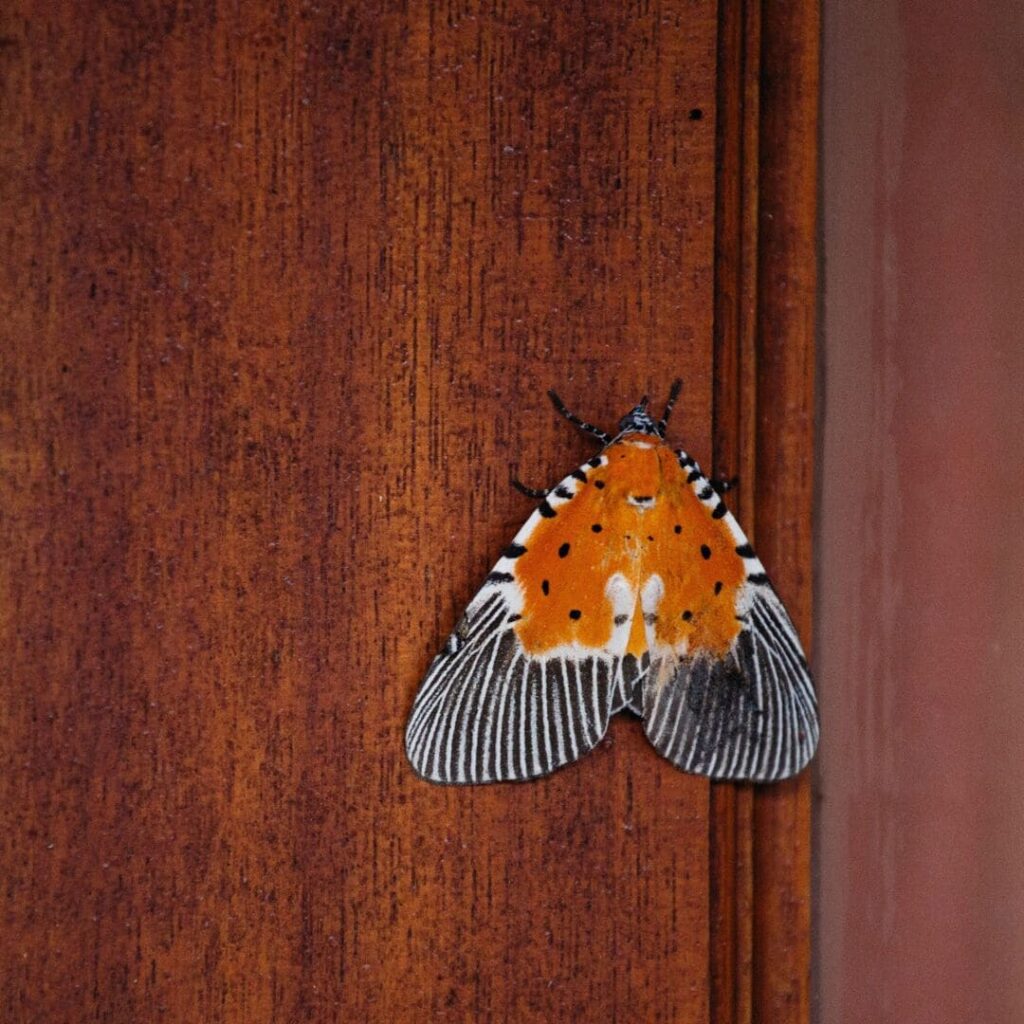
Here's a surprise: the little grey moth you see fluttering around the room isn't the one making holes in your clothes. The adult clothes moth (Tineola bisselliella) is only a few millimetres long and barely eats anything during its short life. Its only job is to find a mate and a place to lay its eggs.

The real problem is the larvae. They feed on keratin, a protein found in natural fibres, so their menu is clear: wool, cashmere, silk, fur and feathers. Cotton and synthetic fabrics mostly don't interest them, unless they're blended with wool.

Larvae have their weaknesses too. They love clothes with traces of sweat or food, and they avoid light and disturbance. That's why we usually discover the damage on a sweater that sat untouched at the bottom of a shelf all season.

Once we know this, it's clear where lavender comes into the story. If clothes smell of lavender, the female moth won't lay her eggs there. And no eggs means no larvae.

They shouldn't be confused with kitchen moths either. Those go after flour, rice and grains, and that's a completely different story.

Lavender Against Moths: What Does Science Say?

Grandma's advice is lovely, but let's also check what researchers have to say.

More than 300 different compounds have been identified in lavender essential oil so far. The best known are linalool and linalyl acetate, which give lavender its recognisable, delicate scent. Interestingly, these are exactly the compounds that haven't been shown to have any effect on moths.

The real "fighters" are actually 1,8-cineole and camphor. A 2015 study compared lavender and rosemary essential oils. Although rosemary contains the same compounds, lavender proved more effective at repelling moths.

The strongest evidence comes from France, the land of lavender. In 2025, the French Agency for Food, Environmental and Occupational Health & Safety (ANSES) concluded that a lavender oil-based product is effective against adult clothes moths. So this isn't just folk wisdom.

There's one important caveat, though repels, but it doesn't destroy eggs and larvae that have already settled in your wardrobe. It's perfect prevention, but not a cure for a wardrobe where moths have already done damage.

Lavender or Lavandin?

Lavandin is a hybrid of true lavender and spike lavender. It contains more camphor, which gives it a stronger, sharper scent. Experts at Colorado State University even state that lavandin oil is lethal to clothes moths.

True lavender (Lavandula angustifolia) is gentler, with a sweeter scent, so many people prefer it for laundry and bed linen. Both protect your wardrobe well, and the choice comes down to your nose. You can read more about lavender varieties in our beginner's guide.

lavanda-protiv-moljaca-2

How to Make Lavender Work for You

Every July, when we harvest our lavender, the whole house smells of it for days. That's when we understand best why grandmothers loved it so much. But for that scent to actually protect your wardrobe, and not just make the room smell nice, how you use it matters.

Dried Flowers in Sachets

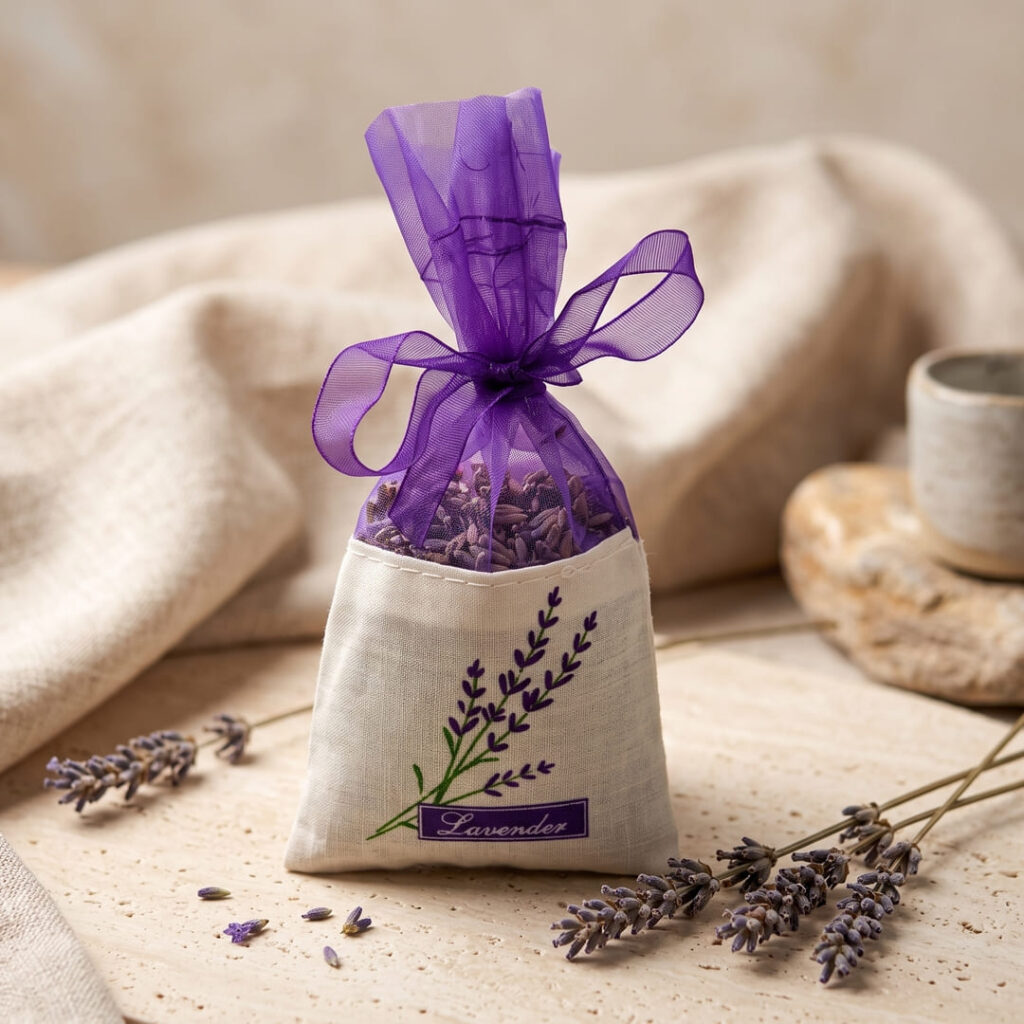
The simplest and oldest method is lavender sachets. Place them where moths love to hide: at the bottom of shelves, between wool sweaters, in the drawer with socks and scarves, and in the pockets of winter coats. They're also great for suitcases where you store seasonal clothes.

Moths love quiet, dark corners, so don't leave the sachets only at the front of the shelf. The corners and the back of the wardrobe are where they're needed most.

If you like making things yourself, buy dried lavender flower and fill cloth bags with them. You can also put them in a small bowl on a pantry or wardrobe shelf. Store the remaining flowers in a tightly sealed glass jar, in a dark, dry place.

How to Revive a Tired Sachet

Over time, the scent of dried flowers fades. That doesn't mean the sachet is ready for the bin. Just rub it between your fingers, and the flowers will release the oil still trapped inside them.

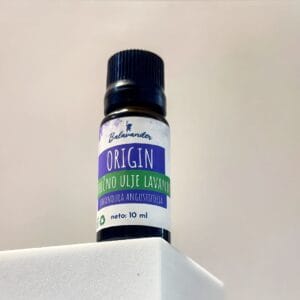
When even that no longer helps, add two or three drops of lavender essential oil to the sachet and let it soak in before putting it back among your clothes. The sachet will smell as if it had just been filled.

Lavender Wardrobe Spray

If you want to freshen up your whole wardrobe at once, make a simple spray.

You will need:

  • 100 ml distilled water
  • 1 tablespoon of alcohol (vodka or rubbing alcohol)
  • 15 to 20 drops of lavender essential oil
  • A glass spray bottle

First pour the alcohol and oil into the bottle, shake, then add the water. Spray the inside walls of the wardrobe, the shelves and drawers, and leave the doors open for about ten minutes. Don't spray clothes directly, as the oil can leave stains on silk and light-coloured fabrics.

You can also put a few drops of oil on a piece of untreated wood or wooden diffuser and place it in the corner of a shelf. The wood absorbs the oil and slowly releases it over several days. If you're new to essential oils, also read our article Lavender Oil for Beginners.

Lavender Loves a Clean Wardrobe

Lavender is an excellent guardian, but it can't do everything on its own. It works best in a wardrobe that's well looked after, and that doesn't take much.

Before putting away your winter or summer clothes, wash them. Remember, larvae love clothes with traces of sweat. Once a season, vacuum the corners of your wardrobe and the drawer runners, because that's where eggs hide most easily.

Every now and then, take out the clothes you haven't worn in a while and air them. Moths dislike light and being disturbed, and every such "inspection" ruins their plans.

But what if you've already spotted larvae? Wash any suspicious items at the highest temperature the fabric can take, or seal them in a bag and leave them in the freezer for a few days. Then clean the wardrobe thoroughly, and only then put lavender back on guard.

kesica-lavande-balavander

FAQ

No. Lavender repels adult moths and keeps them from laying eggs, but it doesn't destroy eggs and larvae already in your wardrobe. That's why it works best as prevention.

Dried flowers keep their scent for several months. When it fades, rub the sachet or add a few drops of lavender essential oil.

Mothballs kill moths, but they leave a heavy chemical smell on your clothes. Lavender works more gently and preventively, and leaves both your wardrobe and your clothes smelling lovely. That's why many families with children and pets choose it as a natural alternative.

It can help, but with pantry moths the most important thing is to store flour, rice and grains in tightly sealed containers.

Conclusion

Our grandmothers never read scientific studies, but they knew what researchers confirm today. Moths don't like lavender, and they simply steer clear of a wardrobe that smells of it.

With a little care and a lavender sachet tucked among your sweaters, your favourite clothes can last you for years. And every time you open your wardrobe, you'll be greeted by the scent of summer.

With smile, Balavander

Lavender sachets

(45)

Natural air fresheners

Lavanda kesice - Otkrijte čaroliju prirodnog osveživača sa našim sušenim cvetom lavande. Ručno pakovane mirisne vrećice sa sušenim cvetovima lavande sa našeg polja. Idealan dodatak vašem domu, ormaru ili automobilu,...

100 RSD

Botanic - lavender hydrosol

(29)

Oils for skincare

Otvorite vrata prirodne nege uz naš hidrolat lavande, proizveden od najkvalitetnijih organskih cvetova lavande i pakovan u ekološku staklenu bocu sa praktičnim sprejom. Ovaj čarobni eliksir umiruje, hidrira i osvežava...

Original price was: 420 RSD.Current price is: 350 RSD.

Origin - lavender essential oil

(16)

Essential oils

Uverite se u blagodeti našeg eteričnog ulja lavande! Savršeno za aromaterapiju i negu kože. Dodajte nekoliko kapi u difuzer ili inhalirajte za opuštajući doživljaj. Za kožu, razblažite pre nanošenja. Sastojci:...

495 RSD

Leave a Reply

Your email address will not be published. Required fields are marked *