




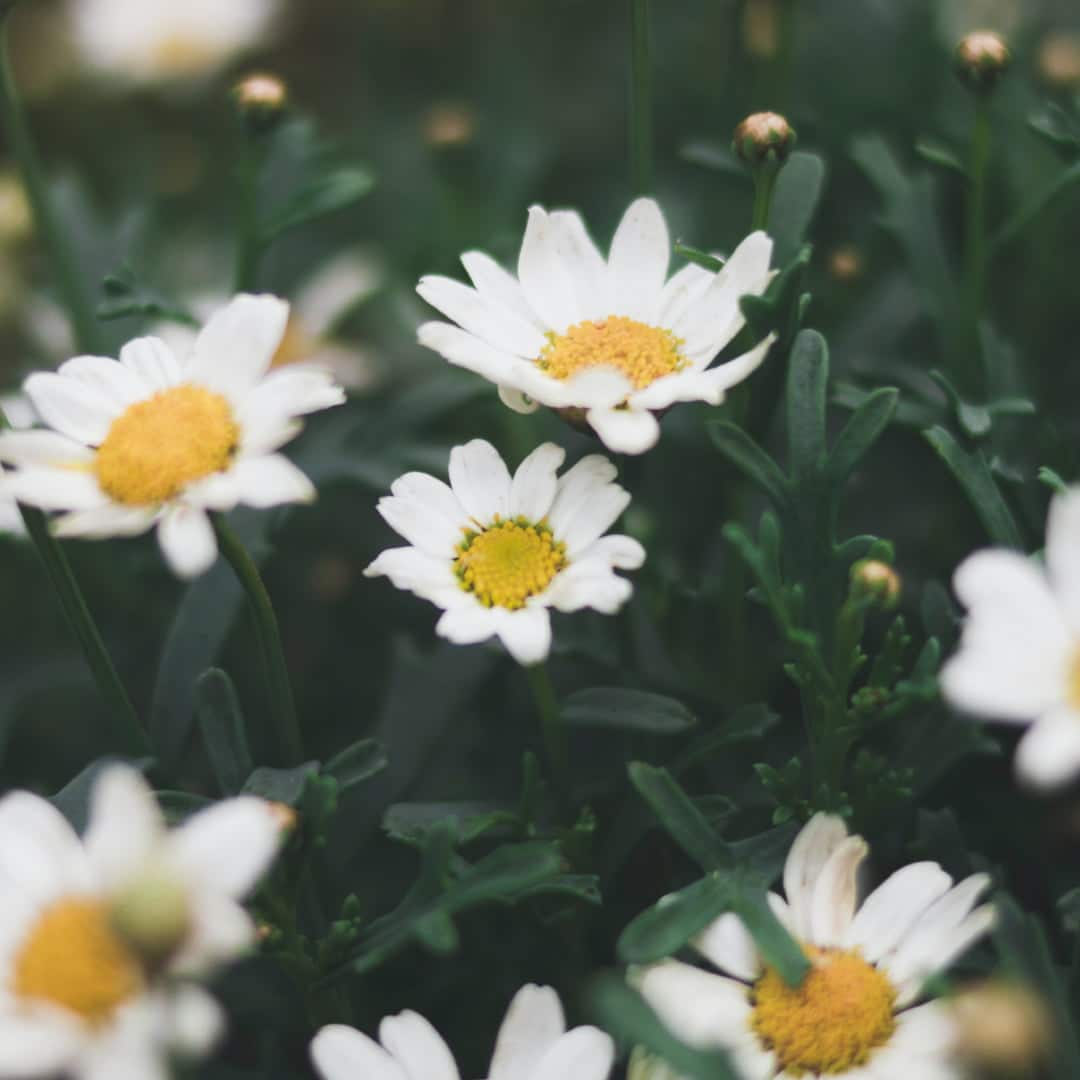
Natural cosmetics and medicinal herbs are best friends!
Did you know? In ancient Rome, women were not considered beautiful unless they used cosmetics, which led to the excessive price increase of such products at that time. Only wealthy people could afford cosmetic products, making them a symbol of luxury and prestige.
This is considered the first step in the development of the cosmetics industry.
In Japan, for example, the role of cosmetics went even further. A wealthy woman was not allowed to leave the house or appear in public without makeup. Although cosmetics were expensive, the poorer classes did not use them for another reason as well: it was simply forbidden for them to use cosmetic products, so that they would be visually distinguished from the wealthier class.
During the Dark Ages in Europe, cosmetics almost disappeared. They were considered immoral. Respectable people simply did not use them, and this period lasted several hundred years.
During the Crusades, the ingredients used in the cosmetics industry became available again. Exotic ingredients, candles, powders, oils, and seeds were used in trade and commerce because they held great value.
Advances in chemistry and pharmacy made it possible to obtain synthetic ingredients for the needs of the modern industry.
By using potentially harmful ingredients in their products over the past few decades, the cosmetics industry began to face a serious problem.
Today, consumers increasingly want to use products that are based on natural and safe ingredients. This created an opportunity for the development of small family businesses that base their formulations on 100% natural and proven ingredients. This is a great benefit for our health as well as for the environment.
Table of content
Aloe Vera
Aloe Vera is a plant that many consider miraculous and magical. It is used as a medicinal remedy because it nourishes our body from within. It is full of nutrients and helps strengthen the immune system and improve digestion.
Of course, aloe vera can also be used externally; its gel is extremely beneficial for skin care, especially the face, and hair.
How to use aloe vera gel?
How to get aloe vera gel directly from the plant?
If you have a potted aloe vera plant at home, choose the thicker leaves or stems and cut or pull them off near the base by the roots.
After that, take a sharp knife and cut off the edges of the leaf.
Next, cut the leaf in half lengthwise. The aloe vera gel will be on both sides.
Use a spoon to scoop out the entire amount of gel, place it in a container, and store it in the refrigerator.
If this seems too complicated, you can always buy aloe vera gel at your nearest pharmacy.
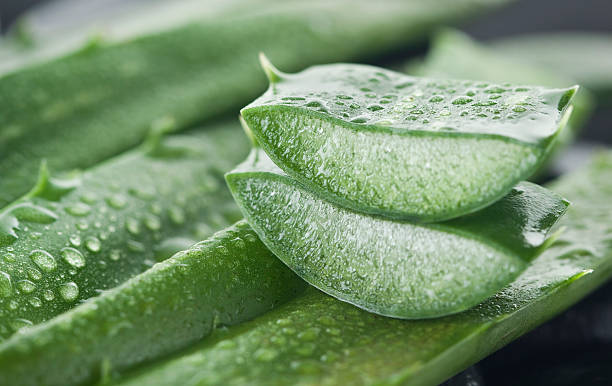
Aloe Vera – Treating Burns
Aloe vera gel, besides its anti-inflammatory properties, has another interesting feature: a cooling sensation.
For this reason, aloe vera is used as a natural remedy for skin burns or irritation after sun exposure. Applying the gel creates a protective layer on the skin, helping it retain its natural moisture.
Aloe vera gel is rich in antioxidants and minerals that help the healing process.
By using aloe vera gel, you can naturally care for your skin during the summer.
Aloe Vera – Skin Hydration
Unlike commercial and industrial skin moisturizers, aloe vera gel does not leave a greasy feeling on the skin or face.
In fact, aloe vera gel helps open and cleanse the pores of the skin.
Also, aloe vera gel can be used as an aftershave product. This is because aloe vera hydrates the skin and helps prevent irritation after shaving.
Aloe Vera – Speeds up wound healing
It is well known that aloe vera is used in the treatment of burns, cuts, and other injuries. This is because aloe vera helps wounds heal faster and supports skin recovery.
It has proven to be especially effective in treating first- and second-degree burns. It is excellent for skin care after prolonged sun exposure, thanks to its beneficial effects that stimulate skin cell regeneration.
Aloe vera is known for its ability to penetrate the epidermis (the outer layer of the skin) faster than water.
Aloe Vera – Slows down aging
Aloe vera contains vitamins C and E, as well as beta-carotene. These ingredients help prevent inflammatory processes in the skin, thereby slowing down aging and the formation of wrinkles.
It naturally promotes collagen production, which provides elasticity to the skin.
Aloe Vera – Acne and Pimples Treatment
Those who have problems with facial acne will surely find relief in aloe vera.
Aloe vera helps cleanse the skin, while its antibacterial properties aid in treating acne without causing damage or scarring.
Aloe vera is a natural antiseptic, which means it helps fight bacteria, while the polysaccharides it contains aid in the development of new cells.
Aloe vera is also a natural astringent, which means it helps tighten pores, cleaning them of excess sebum, microbes, and dirt. This reduces the likelihood of inflammation and the formation of pimples.
Aloe Vera – For Hair Growth
Just like in skin treatments, aloe vera gel helps with new hair growth. This is because the gel improves circulation on the scalp, thereby stimulating the development of hair roots.
Therefore, aloe vera can also be used to treat scalp problems.
Before washing your hair, apply natural aloe vera gel and leave it on for a while until the scalp absorbs it.
In this way, you can also reduce dandruff problems, as the scalp remains hydrated and nourished with beneficial substances.
Calendula
Marigold (Calendula officialis) is a Mediterranean plant, often used in medicine and cosmetics. Its name comes from the Latin word “calendae“, which means “little calendar” or “first day of the month,” because marigold usually blooms all year round.
Marigold flowers are orange or golden in color, with a strong and refreshing aroma.
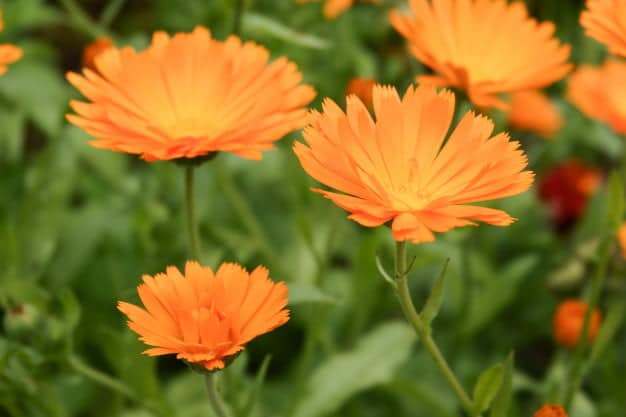
In cosmetics, marigold is used to treat everything from skin irritations to problems with dry and sensitive skin.
Marigold – Against Rashes and Irritations
Inflammatory processes on the skin can lead to various irritations. Different issues such as eczema, rosacea, cracked skin, or collagen deficiency can influence these inflammatory processes.
All of these issues can be treated with the help of marigold. Marigold helps prevent the release of histamine, which causes redness and pain.
When it comes to cracked skin or acne, marigold gently cares for the skin without drying it out, making it safe to use alongside other acne-fighting ingredients, such as benzoyl peroxide and salicylic acid.
Marigold – Skin Hydration
You have surely heard various stories about the benefits of ingredients such as fatty acids. Such fatty acids are found in marigold oil or extract, making it ideal for skin care.
Fatty acids increase the ability of cells to more easily absorb nutrients and retain moisture for longer. In this way, marigold supports the skin’s natural hydration, allowing your skin to remain smooth and soft.
Marigold – Scar Treatment
For hundreds of years, marigold has been used as an ingredient in various ointments for wound healing and similar products.
Marigold stimulates faster circulation, which contributes to a quicker flow of oxygen through the bloodstream. In this way, skin cells receive better conditions for regeneration, promoting the formation of new skin cells and reducing the likelihood of scarring.
It has been scientifically proven that marigold positively affects the reduction of cesarean section scars.
How is marigold used in cosmetics?
Marigold is most commonly used as an ingredient in various creams, or its essential oil or tincture is used.
If pure marigold essential oil is used, it needs to be diluted with a carrier oil such as coconut oil or jojoba oil.
In this way, you can create a natural product yourself, which you can incorporate into your daily skincare routine.
If you are not able to do this yourself, we can recommend to you Balavander’s natural creams which contain marigold oil.
Jojoba
Jojoba (Simmondsia Chinensis) is a shrub-like plant that most commonly grows in Mexico, southern Arizona, and California.
Jojoba is a plant that has two sexes, male and female, and it takes about 3 years to produce its first flower.
The flowers of the female jojoba plant, after pollination, produce a fruit that contains a seed. Jojoba oil is obtained from the seed by cold pressing and is used in cosmetics.
Jojoba oil is recommended for the care of dry or oily skin, as it regulates sebum production in the skin, naturally controlling the activity of skin cells.
Jojoba contains a compound called tocopherol, which essentially produces vitamin E, helping to eliminate free radicals in our body. This helps the skin stay healthy and maintain a youthful appearance.
Jojoba oil has numerous benefits when used for skin care, which is one of the main reasons it has found its place in many cosmetic products.
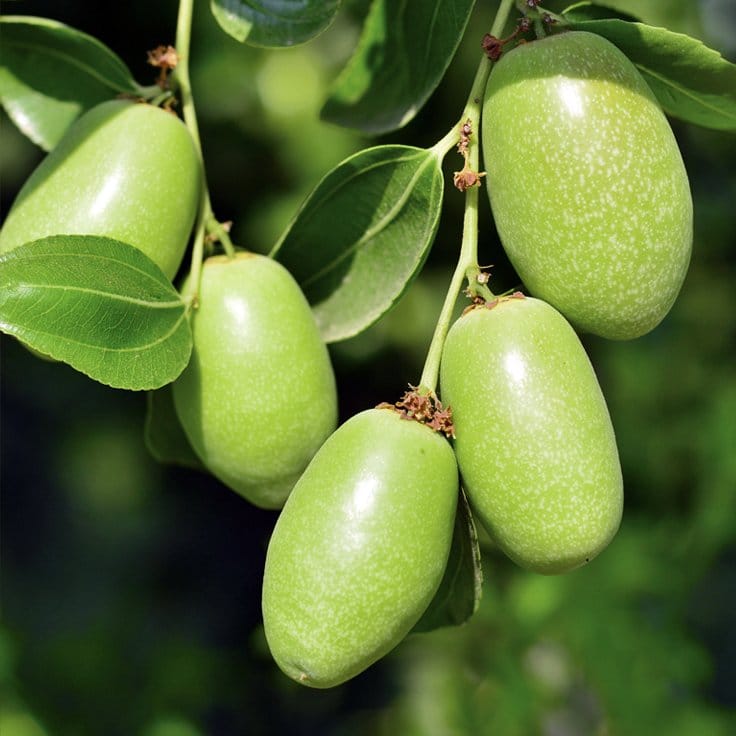
Jojoba – Natural Skin Hydration
Jojoba oil is a natural humectant. This means it helps the skin retain moisture by creating a protective layer on the surface of the skin.
This protective layer not only keeps the skin hydrated but also helps prevent the effects of bacterial infections, which prevents the formation of acne and bacteria in the skin’s pores.
Jojoba – Skin Cleansing
If you are looking for an oil to cleanse the skin, jojoba oil is an ideal choice.
Wash your face with lukewarm water and a soft cloth. After that, apply a few drops of jojoba oil and let the skin absorb it. A little secret for clean and radiant skin.
Jojoba – Antibacterial and Antioxidant Properties
Jojoba oil has strong antibacterial as well as antifungal properties that kill bacteria, including those such as Salmonella, E. coli, and Candida.
By creating a protective layer, it prevents the accumulation of bacteria on the skin, thereby helping to prevent problematic infections.
Vitamin E, found in jojoba oil, acts as an antioxidant, helping skin cells deal with stress caused by toxins present in our body.
Jojoba – Makeup Removal
We have already mentioned that jojoba oil can be used for natural facial cleansing.
Pour a few drops of jojoba oil onto a cotton pad or cotton ball and gently remove the remaining makeup from your face.
You will be surprised at how easily makeup comes off without much effort. Afterward, your skin remains hydrated and nourished.
Jojoba – Sebum Regulation
Jojoba oil is similar to the sebum produced on the surface of our skin. Applying jojoba oil helps create balance and regulate sebum production.
Our skin produces excess oil and fats through biochemical processes if the body detects that the skin is dry.
By applying jojoba oil to the skin, the skin absorbs it and sends a signal to the central nervous system that no additional sebum production is needed.
In this way, jojoba oil reduces problems with oily skin and helps prevent the occurrence of this issue.
Jojoba – Massage Oil
Jojoba oil has many properties that make it an ideal choice as a base for massage oil, nourishing the skin while promoting balance in the body and reducing stress.
It is often combined with other oils to create a blend for a specific issue.
For example, when combined with peppermint essential oil, it creates an oil used to reduce muscle pain.
Lavender
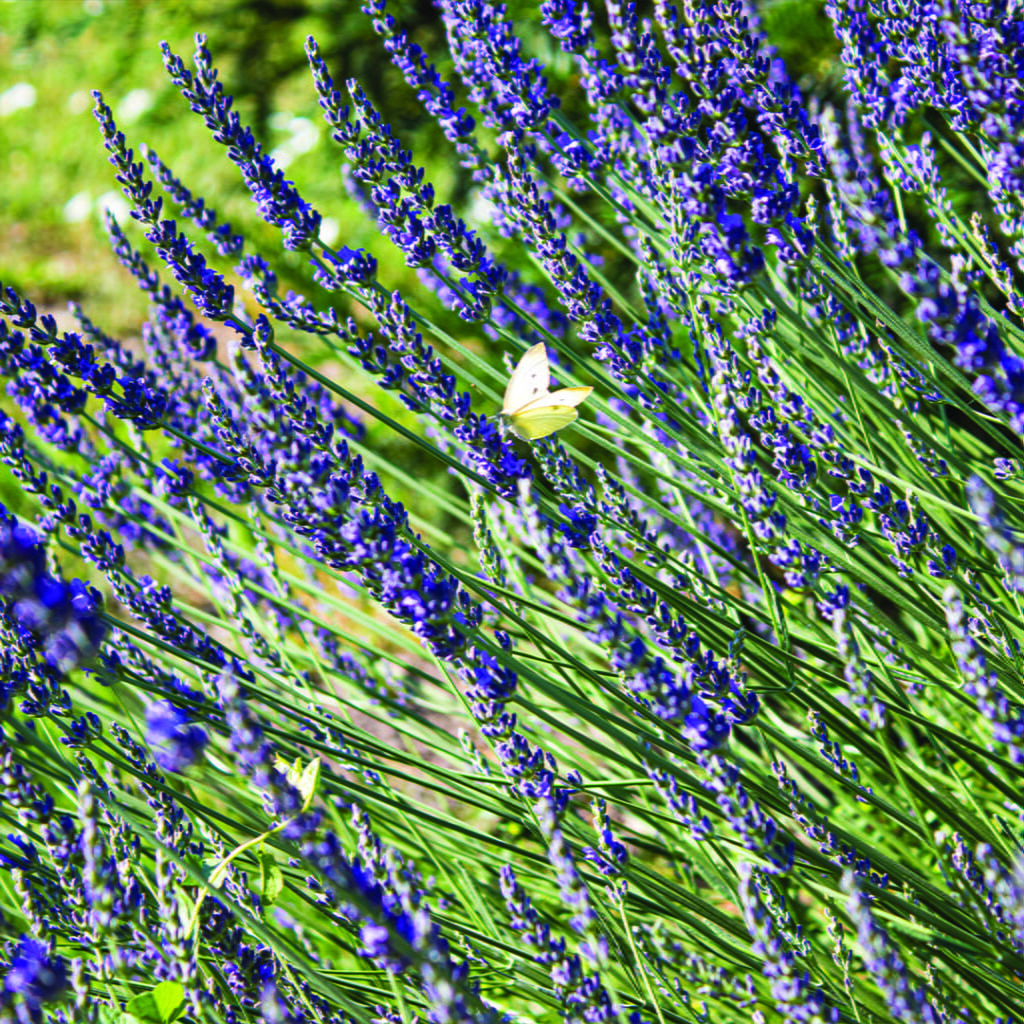
Lavender is a shrub-like Mediterranean plant originating from the sunny and rocky regions of the western Mediterranean.
Throughout history, various magical properties were attributed to lavender, which is why people used it for various purposes: cooking, medicine, hygiene.
Read more about this plant in our guide to growing lavender.
Lavender – Fighting Acne
Lavender oil kills bacteria and prevents acne from bursting on the face. It cleans and unclogs pores, reducing the likelihood of irritation.
To use lavender oil for acne treatment, pour a few drops of lavender oil into jojoba oil and apply directly to the affected areas. Of course, the skin should be clean and dry before treatment.
Lavender – Against Eczema and Dry Skin
Eczema can appear on any part of the body. Eczema affects your skin, making it dry and irritated. It can be mild or a chronic problem, occurring in multiple areas at the same time.
Since lavender oil has antifungal properties, it helps prevent irritation and inflammation, which can be very beneficial in fighting eczema.
Lavender oil is also used to treat psoriasis. Lavender oil helps naturally cleanse the skin and reduces redness and irritation.
To treat eczema, dilute lavender essential oil with coconut oil and apply it to the affected area. You can use this treatment daily until the eczema subsides.
Lavender – Fighting Wrinkles
Free particles in our body, so-called “free radicals,” are largely responsible for the formation of wrinkles on our face. Free radicals originate from pollution, radiation from electrical devices, and radio waves.
Lavender oil is full of antioxidants, which neutralize these free radicals.
To use lavender oil for facial wrinkle treatment, dilute the lavender oil in argan carrier oil.
Use this mixture once or twice a day to reduce the appearance of wrinkles.
Lavender – Fighting Burns
If you have a burn, injury, or any other wound on your body, lavender oil will help it heal faster.
Various scientific studies have shown that lavender oil supports the healing of cells on the skin’s surface.
To treat wounds and burns with lavender oil, dilute the essential oil in any natural carrier oil and apply the mixture using a cotton cloth or cotton pad.
If the wound has already healed, this oil will also help reduce the visibility of the scar.
Tea Tree
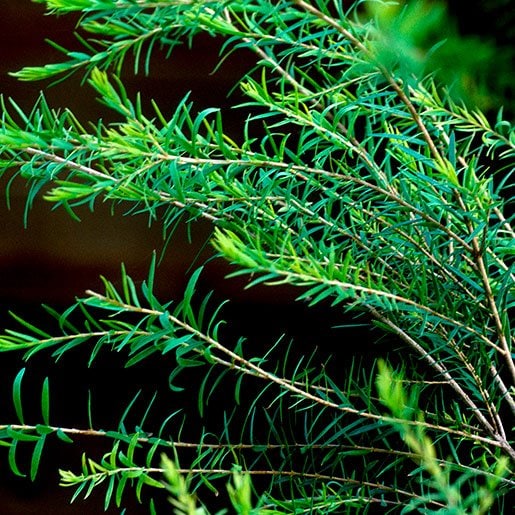
Tea tree oil is obtained from the leaves Malaleuca Alternifolia of the tree, which grows in Australia. The production of this magical oil uses a distillation process.
Ulje čajnog drveta se koristilo još u drevnoj medicini Aboridžina. Oni su mleli listove čajnog drveta, kako bi dobijali ulje. Nakog toga su inhalacijom lečili probleme sa kašljem i prehladama i zarastanjem rana.
Tea tree oil has a very strong scent and in its pure form can be irritating and too harsh for our skin. That is why tea tree oil is usually diluted and blended with other oils such as coconut oil, grapeseed oil, or jojoba oil.
Tea Tree – Fighting Acne
Acne usually occurs due to oily skin problems. Tea tree oil can cleanse the skin by drawing out oil and impurities from clogged pores. The strong antibacterial properties of tea tree oil help eliminate bacteria that cause acne, thereby also preventing its recurrence.
Mix 2–3 drops of tea tree oil into a carrier oil and apply it to the affected areas of the skin after washing.
Tea Tree – Skin Hydration
Tea tree essential oil has hydrating properties that help dry and sensitive skin. In this way, it reduces itching and irritation.
If you have problems with dandruff or dry scalp, add a few drops of tea tree oil to olive oil and apply it to the scalp before washing your hair.
You can also use this mixture for beard care or as a natural way to hydrate the skin on your face.
Tea Tree – For Hair Growth
Tea tree oil stimulates and accelerates circulation. When applied to the scalp, the increased circulation around the hair roots will stimulate the growth of new hairs and faster hair growth.
Mix a few drops of tea tree oil into argan oil and apply regularly to the scalp before washing your hair.
Tea Tree – Against Nail Fungus
Tea tree oil not only has antibacterial properties but also antifungal properties.
This makes it an ideal choice for treating fungal infections on the nails.
Dilute a few drops of tea tree oil with olive or coconut oil and apply it to the infected areas.
With regular use, you will get rid of this unpleasant problem.
Chamomile
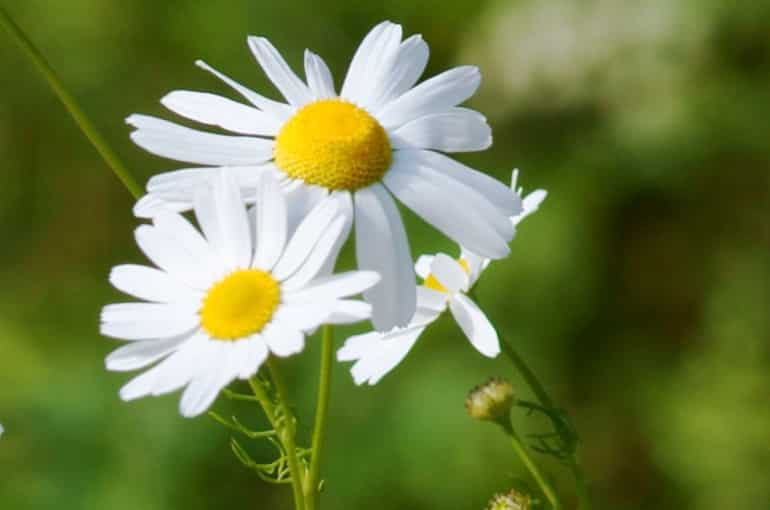
Chamomile is a plant that has been used for thousands of years to relieve stress, improve sleep, and help with stomach problems and colds.
If you pay attention to the ingredient list of your favorite cosmetic product, you will very likely find chamomile in some form.
Chamomile is used to soothe skin inflammation, promote faster healing, and nourish the skin. Chamomile contains a high percentage of antioxidants, most notably apigenin, which explains its beneficial effects on our skin.
Chamomile – reduces redness
Chamomile reduces skin redness thanks to its anti-inflammatory properties. Redness is a side effect of inflammation or inflammatory processes, and chamomile has been proven to effectively combat precisely these types of skin issues.
Chamomile can be used in the form of tea to rinse the affected area, or it can be an ingredient in a cream or ointment formulated for this type of problem.
Chamomile is also known as a traditional remedy for various skin conditions, as its antioxidant and antibacterial properties help prevent the development of inflammation.
Chamomile – against dark circles
There is a good reason why chamomile tea before bedtime has long been considered a traditional remedy against aging.
The chamomile flower contains ingredients that are highly beneficial for both mind and body. Chamomile has a relaxing effect and helps relieve stress, while also bringing balance to the body, giving us more energy throughout the day.
During late nights when no matter what you try you cannot fall asleep, chamomile may be the solution to your problem.
Chamomile has the ability to brighten the skin, addressing issues such as discoloration, the formation of spots, and dark circles around the eyes.
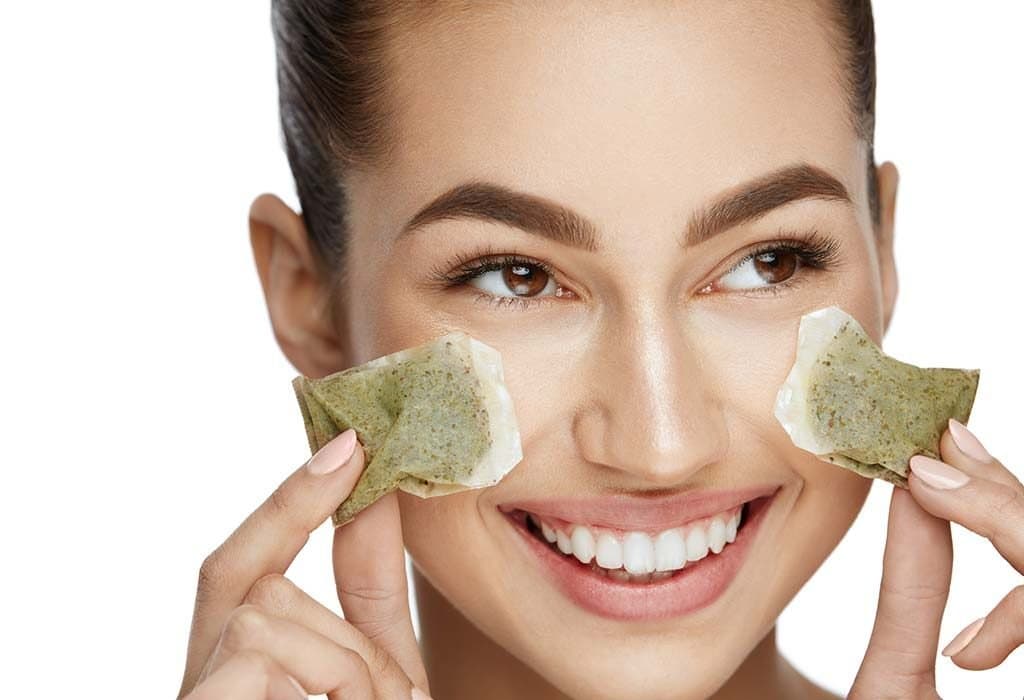
After brewing chamomile tea, instead of throwing the tea bags away, you can save them and store them in the refrigerator. In the morning, when you wake up, use the cold chamomile tea bags as a cold compress for dark circles, helping you look refreshed at the very start of the day.
Chamomile – against psoriasis
Psoriasis is a chronic skin condition affecting 125 million people worldwide. Symptoms associated with psoriasis include redness and itching of the skin, which can lead to depression and other psychological issues.
While chamomile cannot directly cure psoriasis, studies have shown that it can help alleviate many of its symptoms and help keep the condition under control.
The anti-inflammatory properties of chamomile can significantly help alleviate the dermatological issues associated with psoriasis.
Rosemary
Rosemary (Rosmarinus officinalisIt is a plant of warmer regions. It grows in the coastal areas of the Mediterranean, from Portugal to the Black Sea. In the Balkans, it is most widespread along the coast and in areas with plenty of sunlight.
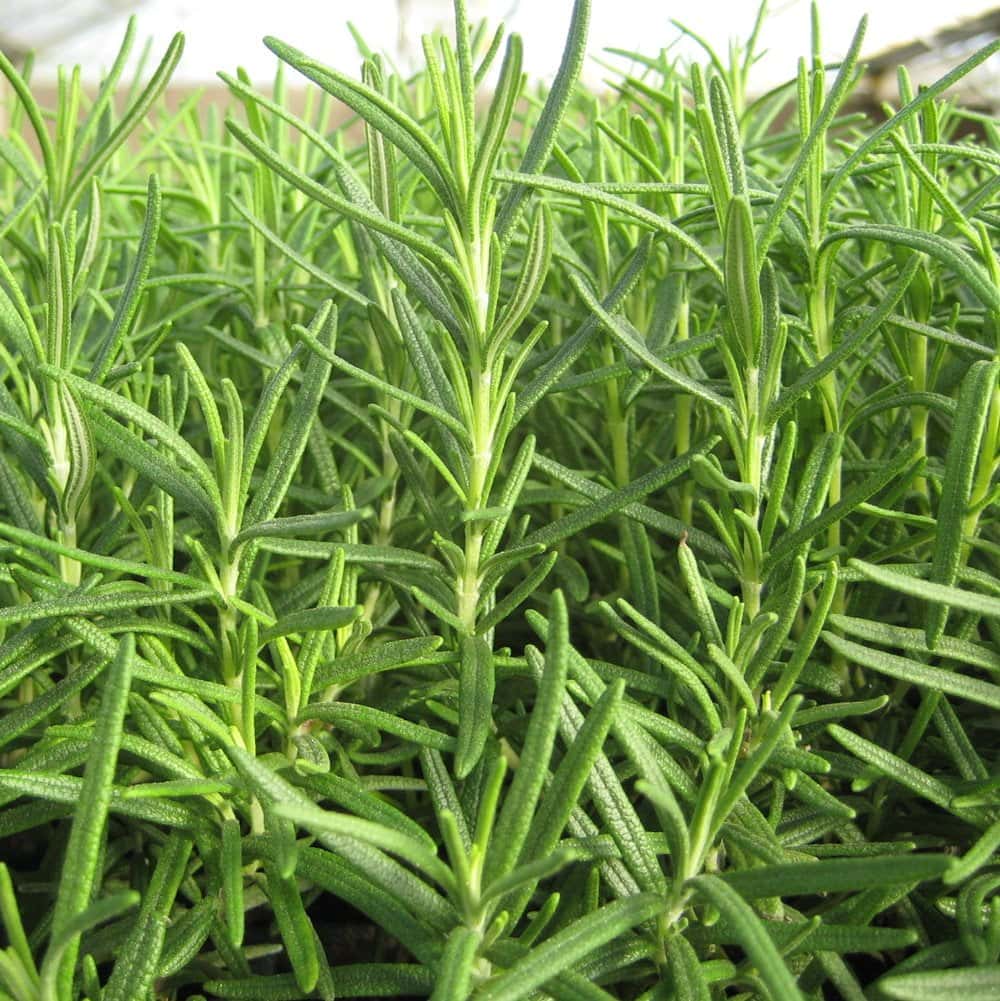
Rosemary – against acne
Because rosemary has strong antiseptic properties, rosemary essential oil can help with acne, pimples, and skin inflammation.
Massaging rosemary oil onto problem areas helps eliminate the bacteria and microbes that cause excess oil on the skin and trigger inflammation.
In this way, you can address acne and pimples, while also taking preventive measures to help stop them from recurring.
Rosemary – against premature aging
Like some of the other medicinal plants mentioned in this text, rosemary also contains a high amount of antioxidants, which help slow down aging and the formation of wrinkles on the face.
Rosemary also helps the skin become firmer and promotes the production of natural collagen.
Rosemary – against hair loss
Rosemary and rosemary essential oil are known for promoting new hair growth. Rosemary helps increase circulation on the scalp, which stimulates hair growth.
Additionally, rosemary has a soothing effect on irritated scalp skin, which directly helps with issues related to dandruff.
For treating the scalp, massaging rosemary oil onto problem areas can help you address this issue naturally.
Massaging the scalp with rosemary oil or rosemary-infused oil strengthens and nourishes the hair roots, helping to prevent premature hair loss.
Regular use of rosemary oil for scalp treatment helps address these issues.
Mint
Mint, spearmint, or peppermint (Mentha piperita) is one of the plants that has been used the longest in medicine and for medicinal purposes.
It originates from Europe, but it is also mentioned in ancient Japanese and Chinese texts.
It is also mentioned in Greek mythology (e.g., the nymph “Mentha”) and in ancient Egyptian records found in the pyramids, dating back to around 1000 BCE.
Botanists consider peppermint not to be a separate species, but rather a plant that originated from the natural hybridization of other plants. spearmint and watermint.
Peppermint oil is obtained through a special process, where the oil is collected from the glands located on the underside of the leaf.
As an active ingredient, it is used in various oral care and dental products. Additionally, in early medicine, chewing mint was believed to reduce toothache.
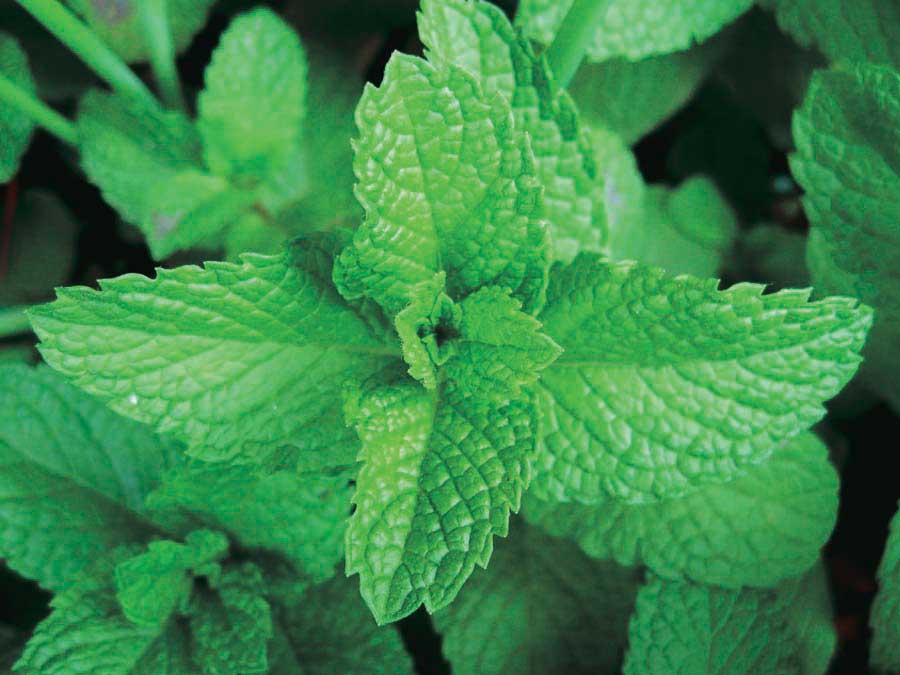
One important thing to note regarding peppermint essential oil is, “Less is more„. Peppermint essential oil is used diluted with a carrier oil such as jojoba, almond, or olive oil.
Peppermint essential oil is intended for external use only. It should not be mixed with fresh mint leaves, which are edible.
Mint – against skin irritation
The soothing and cooling effect of mint makes it ideal for treating irritated skin. Due to its antibacterial and antiseptic properties, mint is recommended for people suffering from psoriasis. Of course, it should be noted that pure peppermint essential oil is usually too strong to apply directly to the skin and should always be diluted in a carrier plant oil.
How to use?
Pour 200 ml of clean water into a container, add 40 ml of apple cider vinegar, and 30 drops of peppermint essential oil.
Mix the ingredients and pour into a spray bottle.
Keep the bottle in the refrigerator and use as needed to reduce itching and treat skin irritations.
Mint – against acne
Due to its antibacterial properties, peppermint is highly effective at neutralizing the bacteria that contribute to acne formation.
Mint helps control sebum production and prevents clogged pores. Did you know that mint oil creates a protective barrier on the skin, helping to guard against external factors and damage?
If you have oily skin, mint oil is a natural way to address this problem.
How to use?
Mix two tablespoons of grated cucumber with clay powder.
Add 5 drops of diluted mint oil and mix.
Apply the mixture to your face and leave it to dry completely. Afterward, rinse your face with warm water.
Repeat this process twice a week, and you will notice acne problems gradually diminishing.
Mint – against dandruff
Scalp infections and dandruff have become everyday problems faced by millions of people. The best part is that this issue can be very easily addressed with the help of peppermint essential oil.
The antiseptic and anti-inflammatory properties of this oil help address the mentioned problem. When applied regularly to problem areas, it affects the occurrence of dandruff and reduces irritation.
How to use?
Add half a cup of coconut oil to a container, heat it until it melts, and set it aside to cool.
Add 20 drops of peppermint essential oil, 10 drops of tea tree essential oil, and a small teaspoon of vitamin E.
Mix all the ingredients well.
Apply the mixture to the scalp and leave it on for several hours before washing your hair.
Mint – for faster hair growth
In addition to addressing dandruff issues on the scalp, mint also promotes hair growth. Massaging the scalp with mint oil stimulates circulation and the formation of hair follicles.
If you have lice in your hair, the strong scent of mint oil can help eliminate them.
How to use?
Mix 4 small tablespoons of coconut oil with 10 drops of mint oil in a container.
Stir the ingredients.
Massage the scalp and hair with this mixture and leave it on for 2 hours before washing your hair.
Use a mild shampoo to wash your hair.
Cucumber
Cucumber belongs to the gourd family, which also includes pumpkin and zucchini. Cucumber is known as an excellent source of nutrients for our skin.
It has been used for decades in cosmetics, especially in products that address skin hydration, aging, or inflammation.
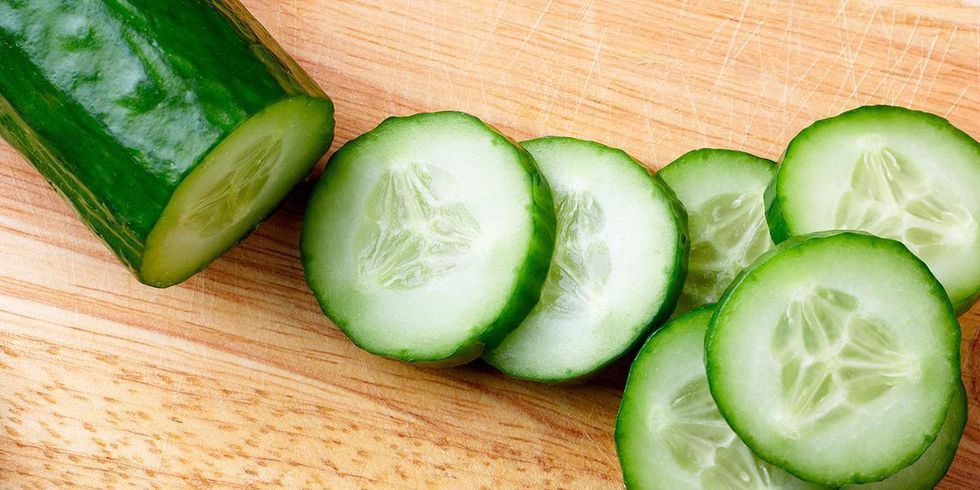
Cucumber – for skin hydration
Hydrating the skin helps it remain elastic and firm. A lack of hydration can cause visible imperfections. The skin becomes dry and starts to flake, and it is also more prone to the faster formation of wrinkles.
Similar to aloe vera, cucumber contains polysaccharides that help the skin retain moisture. Cucumber itself is almost 96% water. This high water content is a key reason why cucumber is excellent for addressing skin hydration issues.
Cucumber – soothes irritation
Cucumber has a soothing effect and creates a “cool” sensation on the skin. It is especially suitable for sensitive and irritated skin, regardless of skin type.
Cucumber also has anti-inflammatory properties, which help reduce swelling on the skin, such as puffy eyes or dark circles.
Cucumber – against sunburn
If you have ever spent more time in the sun than recommended, you know how uncomfortable the pain and redness on the skin can be.
Cucumber, with its soothing and hydrating properties, will reduce pain and speed up the recovery of skin cells.
Additionally, a treatment with fresh cucumber will reduce the likelihood of skin peeling on areas affected by sunburn.
Plantain
Plantain (Plantagosp.) it is a large plant family with over 200 subspecies. Two of these species are frequently used in medicine. Plantago major and Platago lancelota.
Its origin comes from Europe and parts of Asia. Plantain spread across the world with the arrival of settlers to the American continent. Today, plantain grows almost anywhere — from yards and gardens to paved walkways and cracks in concrete.
If you are sure that the plantain has not been treated with pesticides, you can safely harvest it anywhere in nature. Once you learn what it looks like, it is very easy to recognize compared to other plants.
Plantain has green, rounded leaves with veins running vertically along the entire length of the leaf.
Plantain leaves are used in many cultures as a remedy for coughs, colds, skin problems, and more. Its anti-inflammatory effect helps with wound healing, and it has been scientifically proven to have anti-infective properties.
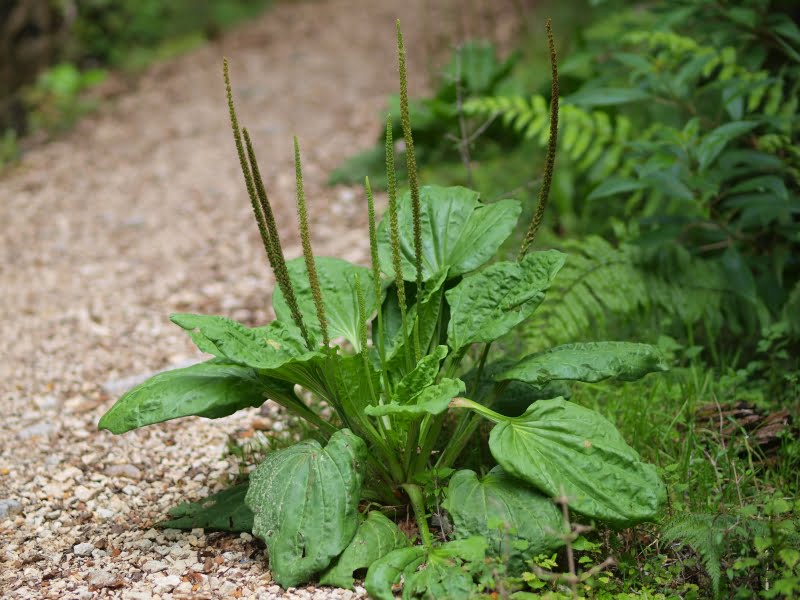
Benefits of plantain leaves
The healing properties of plantain leaves were discovered as early as the 16th century. They were used as a remedy for flu and colds. The leaves can be used to prepare teas or tinctures, which have strong anti-inflammatory effects. Additionally, plantain leaves are used as a natural remedy for rashes or insect bites. Plantain leaves are full of vitamins and minerals that are beneficial for our body, especially for the skin and hair.
One of the most important characteristics of plantain leaves is that they contain Allantoin. This natural ingredient is important because it supports the growth of new cells. In facial care products, allantoin is used as an exfoliant, which helps remove dead skin cells.
Plantain leaf extract is used as a remedy for wound healing, as well as in the treatment of acne and pimples. It helps fight acne and supports skin regeneration, significantly reducing the likelihood of scars forming.
Additionally, its strong antibacterial properties are very important in the fight against acne or various skin burns.
Hvala na ovom članku o lekovitim biljkama.Pratim vas i učim kako rešiti neki zdravstveni problem prirodnim putem
Thank you very much!
Uvek na usluzi!
With smile,
Balavander