




Natural cosmetics are everywhere today — on shelves, in ads, on social media. And that’s great news: more and more people want gentler care, less waste, and more respect for the skin.
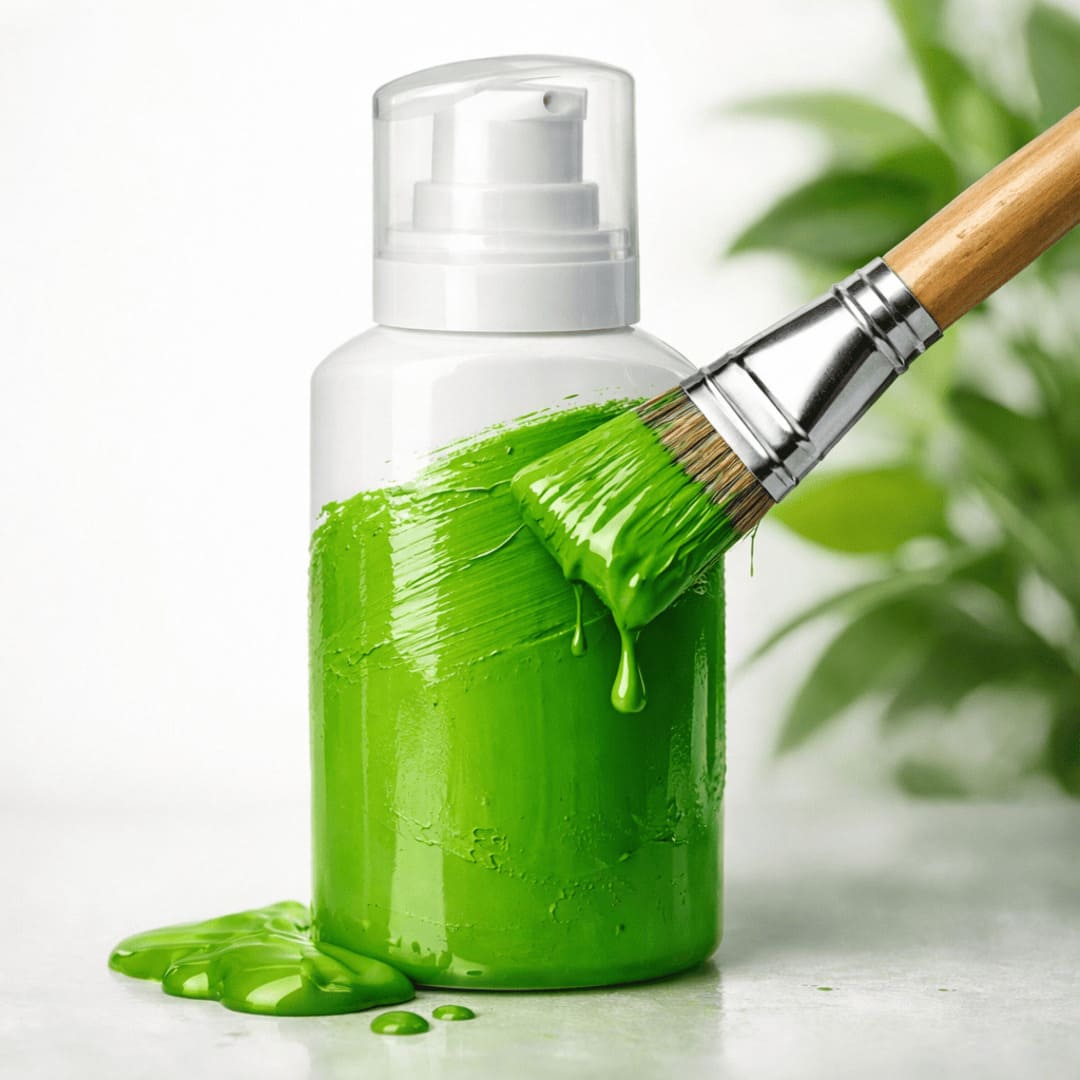
But there’s another side: many brands use “green” wording and visuals (leaves, wood tones, words like eco, bio, clean, nature) even though the formula is actually conventional, with only a symbolic “natural” addition. This phenomenon is called greenwashing - when a product or brand is presented as more eco-friendly/natural than it really is.
Important: this doesn’t mean that every product that isn’t 100% natural is “bad.” The point is that, as a customer, you can recognize the difference between an honest natural formulation and a marketing story.
If you want your skin (and the planet) to get the best, here’s a simple guide on how to recognize real natural cosmetics and how to recognize authentic natural products - and what to pay attention to before buying.
Table of content
Check the ingredients (INCI), not just the marketing
The fastest way to the truth is the ingredient list. Natural cosmetics usually has a shorter, more meaningful formula and relies on plant oils, butters, hydrosols, waxes, and carefully dosed essential oils.
What’s a good sign in the ingredient list?
Plant oils and butters (e.g., Butyrospermum Parkii Butter — shea, Olea Europaea Fruit Oil — olive oil)
Plant hydrosols (e.g., lavender hydrosol)
Natural waxes (e.g., beeswax or plant-based alternatives)
Simple, clear ingredient functions (e.g., oil nourishes, wax protects, hydrosol refreshes)
What to question (undesirable/“red flag” ingredients)
It doesn’t mean everything “bad” is automatically dangerous — but if you want the most natural routine possible, these ingredients are a good signal to pause and check:
SLS/SLES (Sodium Lauryl Sulfate, Sodium Laureth Sulfate) — harsher surfactants; they often dry out and irritate sensitive skin
PEG compounds (e.g., PEG-40 Hydrogenated Castor Oil) — emulsifiers/solubilizers; not a “natural” choice
Silicones (e.g., Dimethicone, Cyclopentasiloxane) — give “smoothness,” but often only mask the skin’s condition
Mineral oils (Paraffinum Liquidum, Petrolatum) — a cheap base; not plant-derived
Synthetic fragrances (Parfum/Fragrance) without additional info — especially if the scent is intense and “perfumey”
Artificial colors (e.g., CI numbers) — often unnecessary in natural cosmetics
Formaldehyde releasers (e.g., DMDM Hydantoin, Imidazolidinyl Urea) — preservatives many people prefer to avoid
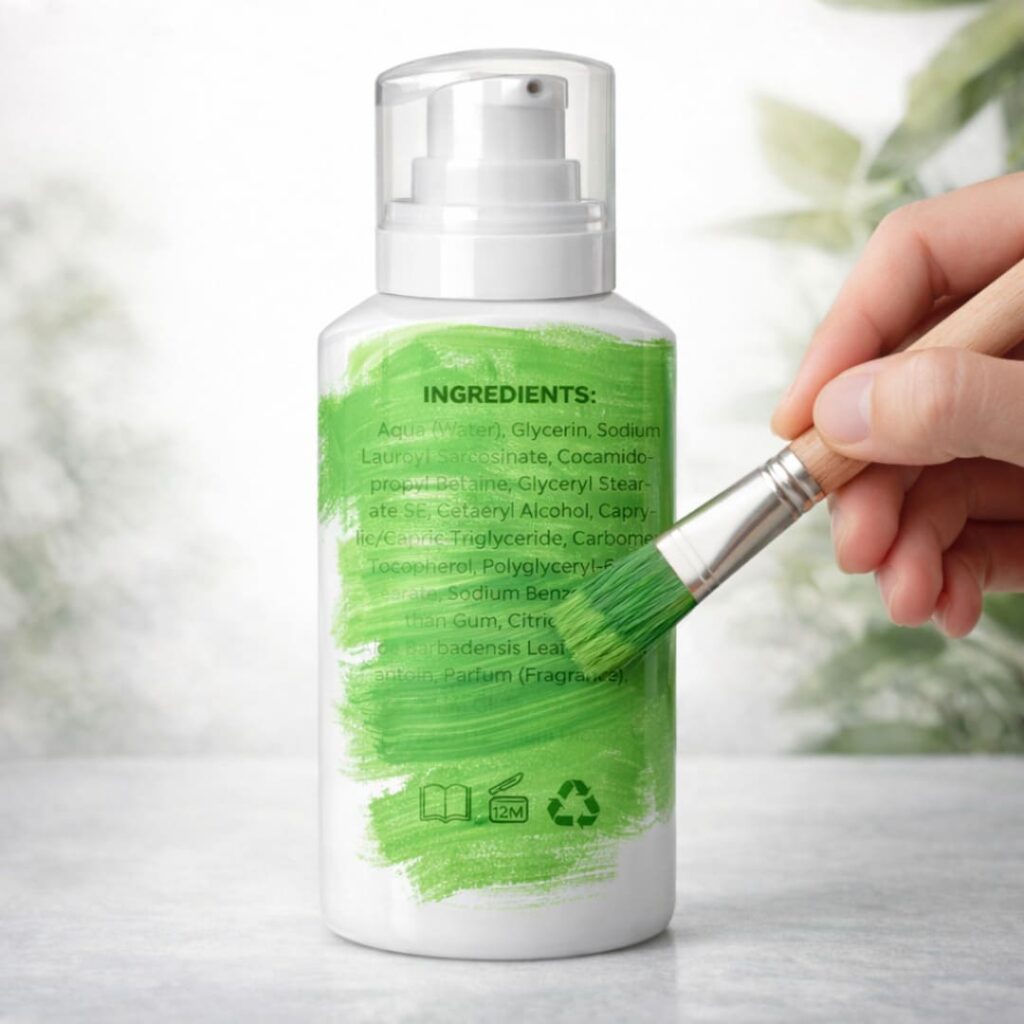
How to read INCI (small tricks for quick understanding)
If you’re wondering how to read INCI, the good news is you don’t have to be a chemist. It’s enough to know a few rules that apply almost always:
Order matters: ingredients are listed from the highest to the lowest amount. That’s why what’s in the first 3–5 spots matters — that’s the product’s “backbone.”
“Natural extract” at the end of the list: if a plant extract is last or among the last, it’s usually present in trace amounts (more as a marketing add-on than an active base).
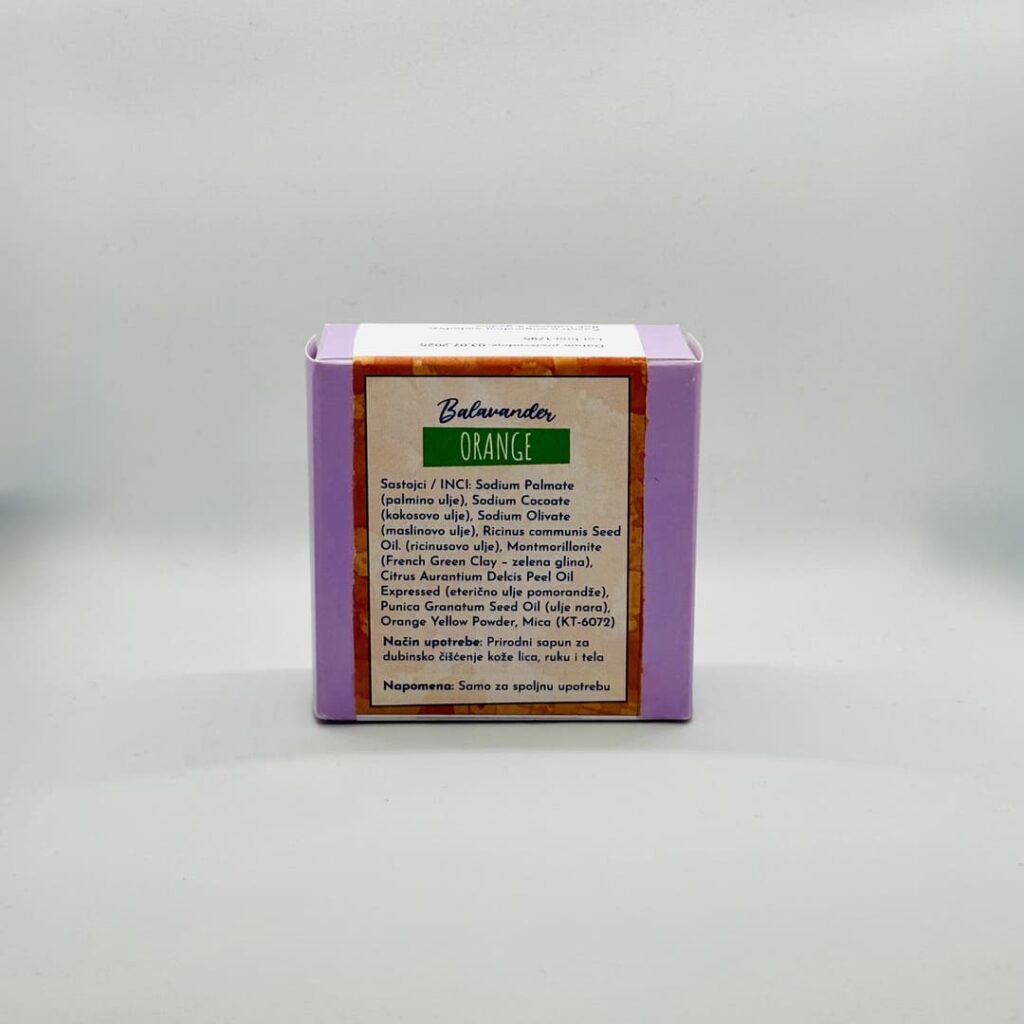
INCI is in Latin/English: it’s a standardized naming system, so the same ingredient is written the same in Serbia and abroad. For example, lavender can appear as Lavandula Angustifolia Oil (essential oil) or Lavandula Angustifolia Flower Water (hydrosol).
Perfume and fragrances: when you see Parfum/Fragrance, it can be a mixture of multiple substances. If the brand doesn’t explain the origin of the scent, that’s a good reason to be cautious — especially if your skin is reactive/sensitive.
CI numbers: labels like CI 19140 are colors/pigments. They’re not always a problem, but in natural care they’re often not necessary.
Here at Balavander we like the ingredient list to be “honest”: so you know what you’re putting on your skin and why it’s there.
Pay attention to scent and texture — natural isn’t “perfumey”
Natural products often smell gentler, “herbal,” sometimes even earthy or botanical. That’s normal — it’s the scent of the raw materials.
If a product smells like an intense perfume, but claims to be completely natural, it’s worth checking whether the scent was achieved with synthetic compositions.
A real-life example:
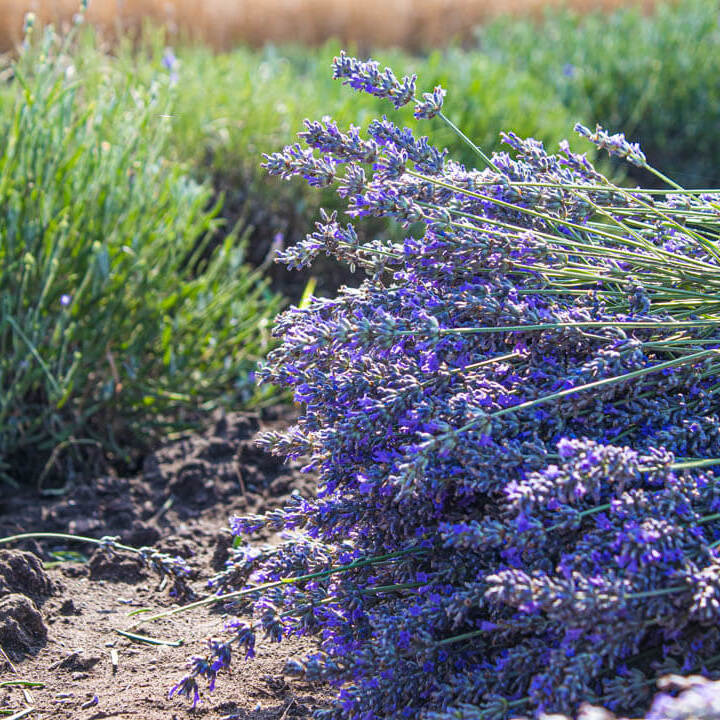
Our lavender products smell like a field in season — not like “lavender” from an air freshener. You can feel the difference immediately.
Packaging and brand philosophy often reveal the truth
Truly natural brands usually think broader: not only about the formula, but also about waste, raw material sourcing, and the production method.
What’s a good sign:
Glass, aluminum, cardboard (less plastic)
Clearly explained sourcing and how it’s made
Transparency about the process (handmade, small batches)
Balavander is a family story and a small-scale production: we make in batches we can control, with a focus on zero-waste and plastic-free packaging whenever possible.
Certifications are a plus — but not the only proof of quality
Certifications can be a great signal, but they’re not the only criterion. It also matters who stands behind the product, how transparent they are, and whether they have real quality control.
What to ask (or look for on the website):
Does the product have documentation and health safety compliance?
Does the brand follow good manufacturing practices?
Are there tests (at least occasional) and control of every batch?
A good brand won’t promise “overnight miracles,” but will explain what the product realistically does and who it’s for.
Shelf life and storage: natural needs a bit of care
Natural cosmetics often have a shorter shelf life (or at least different storage requirements), because it doesn’t rely on “heavy” preservation.
Practical tips:
Keep products away from direct sun and heat
Close the packaging immediately after use
Use clean, dry hands or a spatula
If the product is in a jar, avoid getting water inside (that’s a common reason for spoilage)
For products like hydrosols, proper storage is key to keeping them fresh and effective.
“Natural” doesn’t automatically mean “for everyone”
Even natural ingredients can be strong — especially essential oils. That’s why it’s important for the brand to communicate responsible use.
If you have sensitive skin:
Choose gentler formulas
Always do a patch test
Ask the manufacturer for a recommendation
We always like to help with choosing — because natural care should be gentle, not risky.

Spot “greenwashing” in 3 quick steps
If you’re in a hurry, ask yourself these three questions:
Is the ingredient list clear and meaningful?
Does the brand talk transparently about the process and raw materials?
Is the promise realistic (without magical claims)?
If the answer is “yes” to all three — there’s a good chance you’re holding a truly natural product.
Conclusion: natural is a choice, but also a relationship of trust
Real natural cosmetics are recognized by the details: by the ingredients, scent, production method, packaging, and the brand’s honesty. It’s not just a trend — it’s a decision to care for your skin gently and treat the world around you with care.
If you’d like, take a look into our Balavander world: from lavender fields to the finished product, we strive for every product to be a small, fragrant proof that nature truly can work for us.
natural, eco friendly and healthy
Natural cosmetics for you!
If you want to see all our products, visit our store.
Leave a Reply