





Every day, we encounter a growing selection of different solid shampoos in stores, because people are becoming increasingly aware of the need to reduce plastic waste as much as possible.
Liquid shampoos, which we used earlier, only gained popularity and widespread use in the 1940s, which means that solid shampoos existed even before them.
Solid shampoo bars are an eco-friendly alternative to industrial liquid shampoos.
Do you agree with us?
You have probably wondered what the difference is between natural hair soap and the so-called “shampoo bar.” In this article, we will try to explain the difference between them, as well as how to choose the best option for your hair.
Table of content
Definition and Terminology
As for the terminology itself and the way hair care products are named, there is no precisely established rule distinguishing solid shampoos. It is important to know that solid shampoos can be made using synthetic detergents or by using active ingredients that are formed when an alkaloid dissolves oils or fats.
In order to distinguish between types of solid shampoos, the following terminology has been introduced.
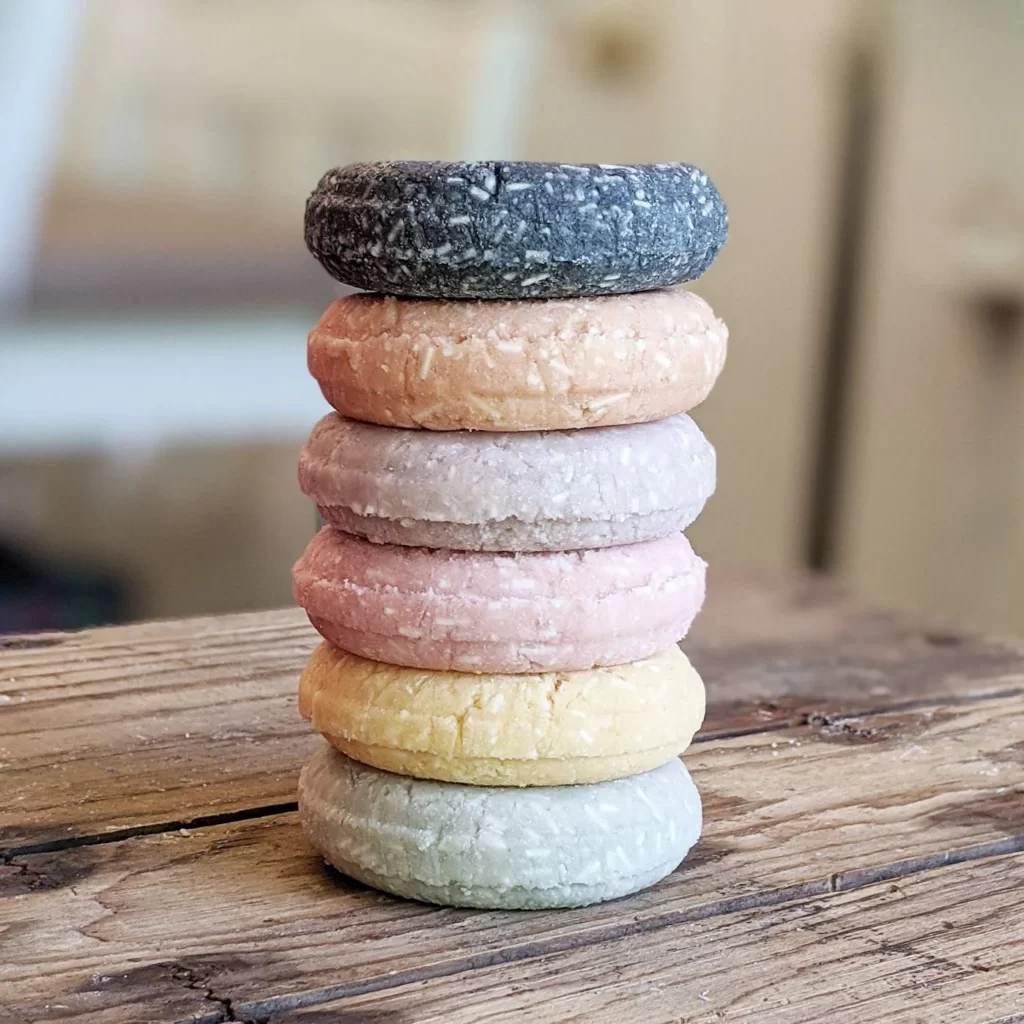
shampoo bar = solid shampoo (shampoo bar)
natural solid shampoo = hair soap (natural shampoo bar)
Soap for hair or shampoo for hair?
Whether you use shampoo bars or hair soaps more, in both cases you reduce the amount of plastic waste that ends up in the natural environment, as well as the consumption of clean drinking water.
Solid shampoo bars are an excellent solution for travel, as they take up less space in the suitcase and there is no chance of spilling anything.
Differences between hair soap and shampoo bar
If you don’t pay attention to the composition, you might think that a shampoo bar and a solid shampoo are the same thing. What you need to know is that their composition is very different, and there is also a difference in their pH value.
- Natural solid shampoo is made by combining oils or fats with an alkaloid solution. Solid shampoo bars are made from natural ingredients, and for that reason, they are very easily biodegradable.
The active ingredient that removes impurities is the alkaline salts derived from saturated fatty acids. They are formed when the alkaloid solution breaks down natural fats into glycerin and salts of saturated fatty acids. These substances are precisely responsible for removing dirt and unwanted oils from the hair and scalp.
Natural solid shampoos have a pH value ranging from 7 to 10, which classifies them as bases according to their chemical composition.
Due to this chemical composition, natural solid shampoos cause the hair cuticles (the outer part of the hair) to open, which makes the hair feel slightly rough to the touch immediately after washing. After a short time, the hair cuticles close, and the hair remains soft.
If this effect somehow does not suit you, there is an easy way to solve this “problem.” After rinsing the shampoo out with water, rinse your hair once more with diluted lemon juice or diluted apple cider vinegar, in order to regulate the hair’s pH value without any additional waiting.
Natural solid shampoos protect and nourish your hair, and this is for a very simple reason.
Natural solid shampoo contains 5–7% saturated fatty acids that have not been lost during the saponification process. These saturated fatty acids create a protective layer around the hair, making it stronger and more resistant to external influences.
Additionally, the glycerin formed as a by-product of saponification hydrates the hair and binds water within the hair itself, providing it with freshness and essential nutrients.
In addition, natural solid shampoos for hair also contain various medicinal herbs or healing oils, which have anti-inflammatory effects, address issues with redness, dandruff, and oily hair.
Higher-quality natural solid shampoos additionally contain citric acid, which addresses the aforementioned problems after rinsing the hair, especially if you live in an area where “hard” or chlorinated water is used.
You can read more about this topic in the user manual of a natural hair shampoo. - Shampoo bars are the solid form of conventional industrial shampoos. They do not contain water, which means they do not need preservatives, nor a plastic bottle for packaging.
Detergents in shampoo bars are called syndets (syndets = synthetic detergents). They contribute to the formation of a rich lather, thereby cleansing the hair and scalp.
Opinions about shampoo bars are divided, as it is easy to overlook the origin of these substances and their impact on the environment and health. It is very important when choosing a shampoo bar to check the origin of the ingredients used to create the lather, especially if it is a syndet based on mineral oils or a syndet such as Sodium Lauryl Sulfat-a (SLS), we haven’t really helped ourselves or the environment around us. These substances can easily cause irritation, allergies, dry out the hair, and are very difficult to break down in nature. So what’s the point of buying a shampoo bar then?
A high-quality and eco-friendly shampoo bar should contain ingredients based on coconut oil or sugar, such as Sodium Cocoyl Isethionate, for example.
Shampoo bars have a lower pH value than natural solid shampoos, and it usually ranges around between 5 and 6. This pH value is similar to the pH of hair, so after washing, the sensation is the same as when you wash your hair with a regular liquid shampoo.
If we disregard the presence of detergents in shampoo bars, they contain high-quality plant oils that help with hair care itself, which is very important and beneficial for the health and appearance of our hair.
Why use a natural solid shampoo for hair?
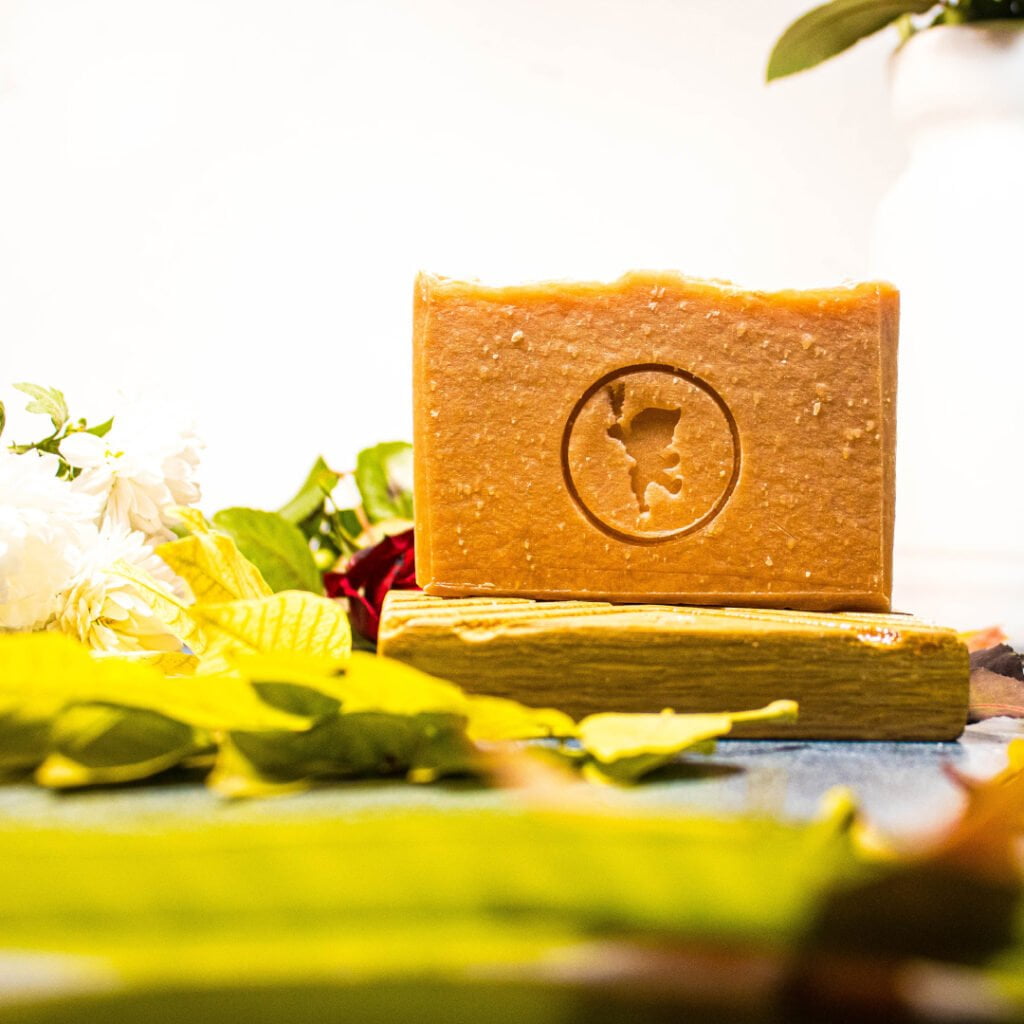
Natural solid shampoo for hair is made exclusively from natural ingredients that are essential for natural hair care.
In most liquid shampoos you can buy, you will find various preservatives and chemicals such as (SLS or SLES) or mineral oils that “nourish” the hair.
Did you know that industrial liquid shampoos are mostly 95% just water?
Imagine how strong the chemicals they put into them actually are.
By using conventional shampoos, you unknowingly and gradually damage your hair.
Ours hair care shampoos are made exclusively from unrefined plant oils and essential oils, without synthetic ingredients, colors, or preservatives.
Natural solid shampoos last a long time and will last you longer than a standard bottle of industrial shampoo.
Natural solid shampoos are packaged in biodegradable packaging and do not pollute the environment.
Natural solid shampoos are an excellent solution for travel.
The experience of people who have switched to using solid shampoos or hair soaps is such that they would not go back to using conventional industrial shampoos.
What is hair porosity?
Hair porosity is described as the ability of hair to accept and absorb water or a cosmetic product. The hair strand itself consists of three main layers: the cuticle, cortex, and medulla. The cuticle represents the outer layer of the hair. It consists of tiny scales that overlap in a way very similar to roof tiles on a house. Cuticles with low porosity are compact and flat, which does not allow moisture or any product to penetrate into the interior of the hair.
Hair porosity is very often a genetic trait. It has also been observed that short hair has lower porosity compared to long wavy or curly hair.
If it takes you a long time to dry your hair after washing, or if a hair product does not have a strong enough or desired effect when you use it, it is very likely that you have low-porosity hair.
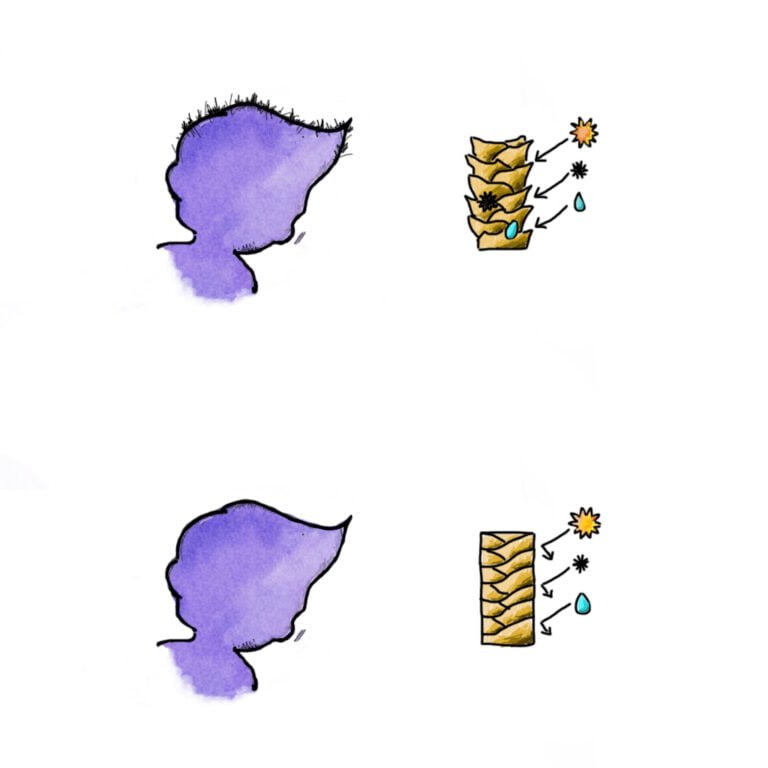
When the hair strand is damaged, external factors such as UV radiation, water, and chemicals penetrate to the hair’s core. When the outer layers of the hair are healthy and closed, light is reflected, giving the hair shine, while other harmful influences are repelled.
What type of hair is hair soap suitable for?
The first time people hear about natural solid shampoo for hair, to most of them at first glance it seems like a strange idea, even though it is liquid hair shampoo The type we know today was invented only in 1903 by the Schwarzkopf company and only gained wide usage in the 1940s. Until then, people commonly used regular hand soap to wash their hair.
Of course, looking at today’s times, our hair is exposed to different types of stress compared to the past century (dyeing, blow-drying, gels, sprays), which damages it much faster.
Hair damage is measured by the size of the openings in the hair cuticle, so-called “cuticle shingles,” which protect the hair from losing hydration and nutrients.
Depending on the porosity of your hair, natural solid shampoo, or hair soap, contains varying amounts of unsaponified fatty acids in its lather.
- Low-porosity hair You will definitely gain significant benefits after washing with hair soap. This hair type has closed cuticles. Because of the closed cuticles, this type of hair absorbs hair care products very poorly, causing layers of buildup on the hair strand itself. Due to its pH value, hair soap helps the cuticles open more, allowing nutrients and water to penetrate into the hair’s core, providing the necessary care.
- Medium-porosity hair also has significant benefits after washing hair with hair soap, provided the soap contains nourishing and beneficial ingredients. This hair type has partially open cuticles, allowing nutrients to more easily reach the hair’s core.
Natural hair soaps contain glycerin, which binds water molecules to itself, thereby nourishing and hydrating the hair strand.
Also, as we have already mentioned, hair soaps contain unsaturated fatty acids that help hair stay healthy and shiny. The plant oils in our hair soap are rich in omega-7 and omega-9 fatty acids, which are recommended for proper and natural hair care.
Also, the addition of citric acid in a natural hair shampoo helps the hair cuticle to close, giving the hair natural care and shine after washing.
- High-porosity hair has widely opened hair cuticles, which makes it absorb water very easily, but it does not retain it within the core. For this reason, this hair type dries out and gets damaged very quickly.
Are hair soaps good for high-porosity hair?
– The correct answer is, not always.If you have damaged hair, it is the right time to decide whether you want to use hair soap or a shampoo bar.
In principle, if you have damaged hair that has been harmed by various treatments in hair salons, hair soap is most likely not for you, because damage caused by frequent coloring, blow-drying, or bleaching cannot be repaired in this way.
What type of hair is a shampoo bar suitable for?
Although hair soaps can improve hair quality or solve certain scalp issues, for some hair types it is still better to use shampoo bars.
- Colored / dyed hair
If you dye your hair darker, the permanent damage to the hair strand is much less than when you bleach your hair.
If you have dyed, high-porosity hair, your hair will benefit from shampoo bars with added keratin. - Bleached hair
Today's fashion trends dictate that hair bleaching is increasingly in style. In this process, the hair is soaked in an alkaline solution so that hydrogen peroxide (H2O2) penetrates deep into the hair and destroys the pigment, thereby essentially damaging the fibers within the hair.
If you have this type of hair, we recommend using shampoo bars.
Conclusion
Regardless of which type of solid shampoo suits you best, switching from liquid shampoos to solid ones is definitely worth considering.
You will be surprised at how many benefits it will bring to your hair and how much nicer your bathroom will look without a multitude of plastic bottles around the tub.
With small steps and flowing hair, let’s move toward a more beautiful and healthier world.
With smile,
Balavander
Leave a Reply