




Table of content
Why Lavender?
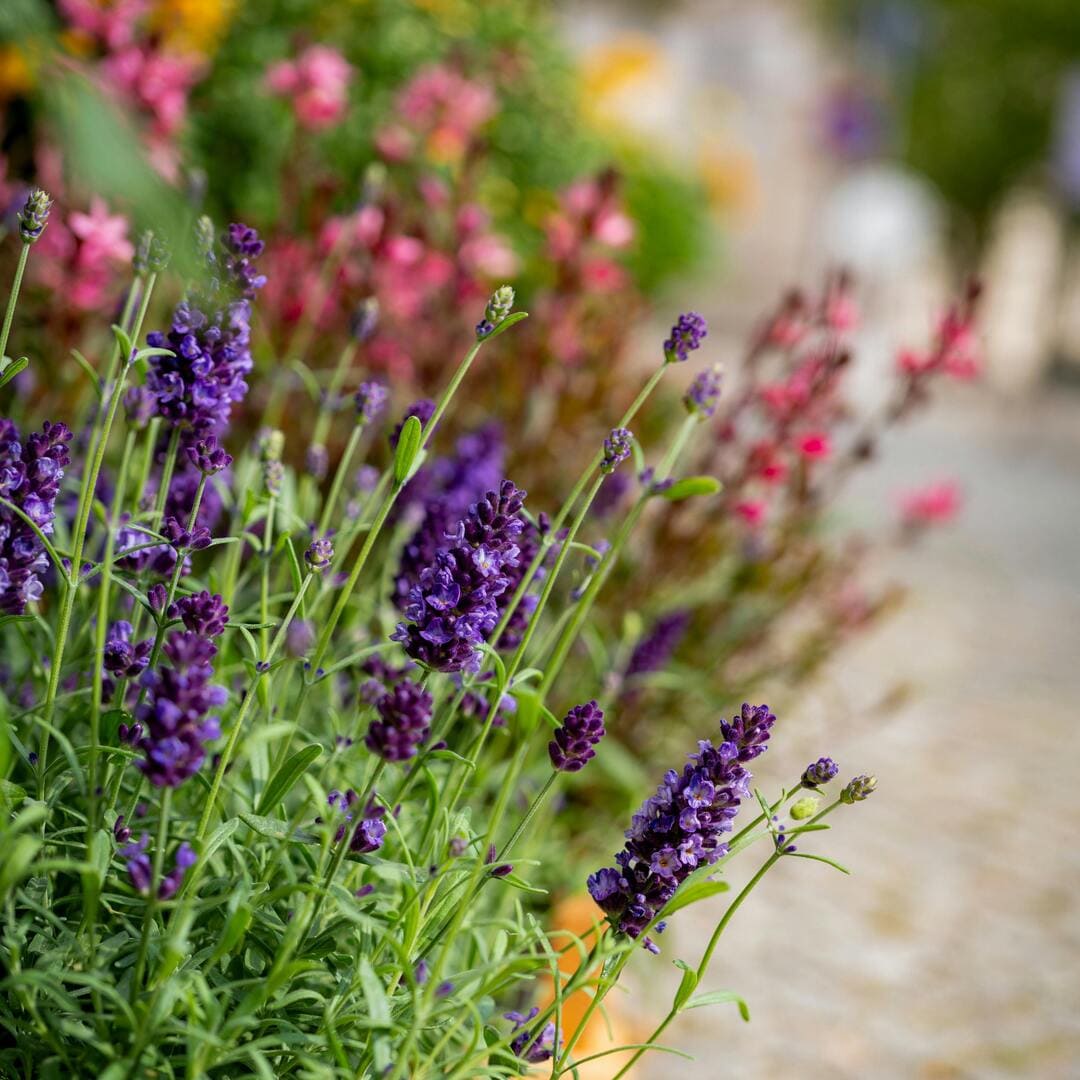
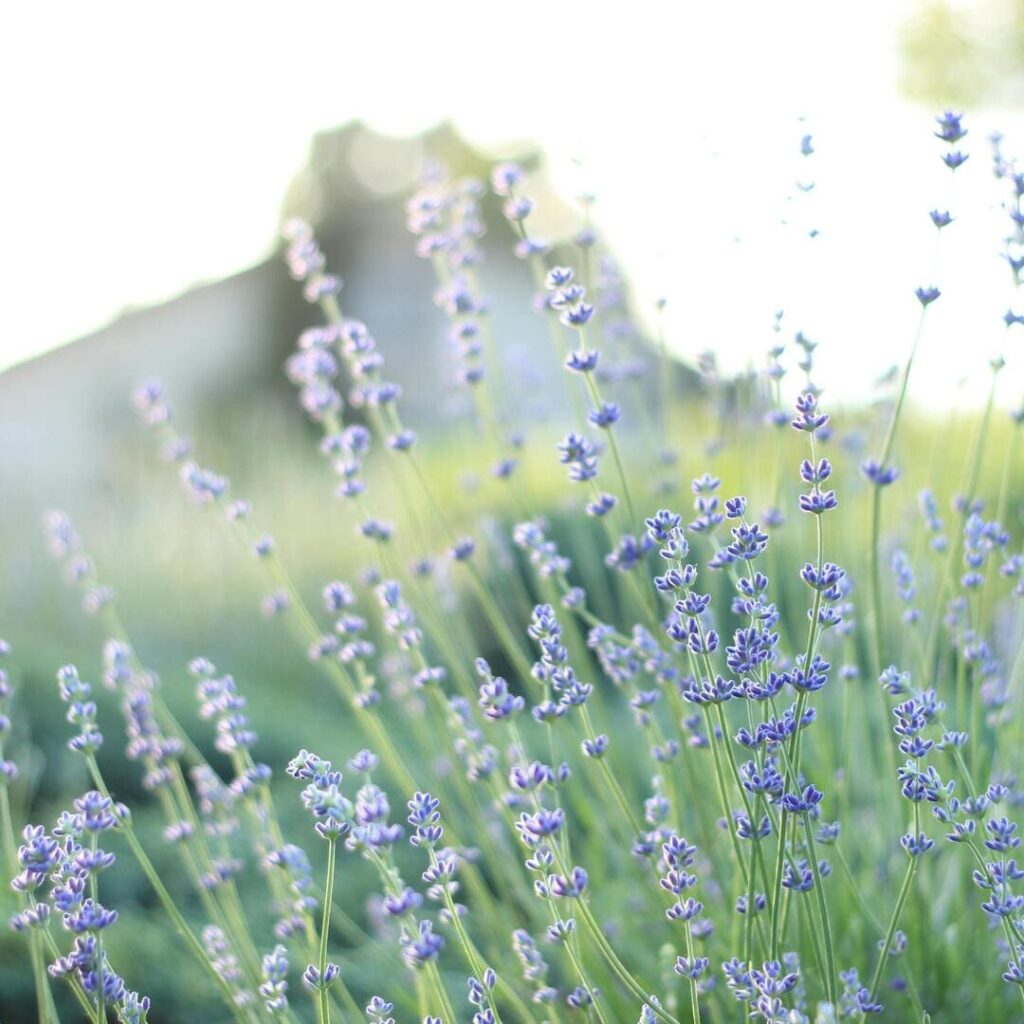
Lavender is a symbol of the Mediterranean, but it also thrives in the Balkans. It is hardy, low-maintenance, and can be used for scented sachets, tea, natural sprays, or as decoration. Its flowers attract bees and beneficial insects, while its scent repels mosquitoes.
For this reason, lavender in the backyard is not just a beautiful decorative element, but also a very useful plant to have nearby.
Basic Requirements: Location, Soil, Climate
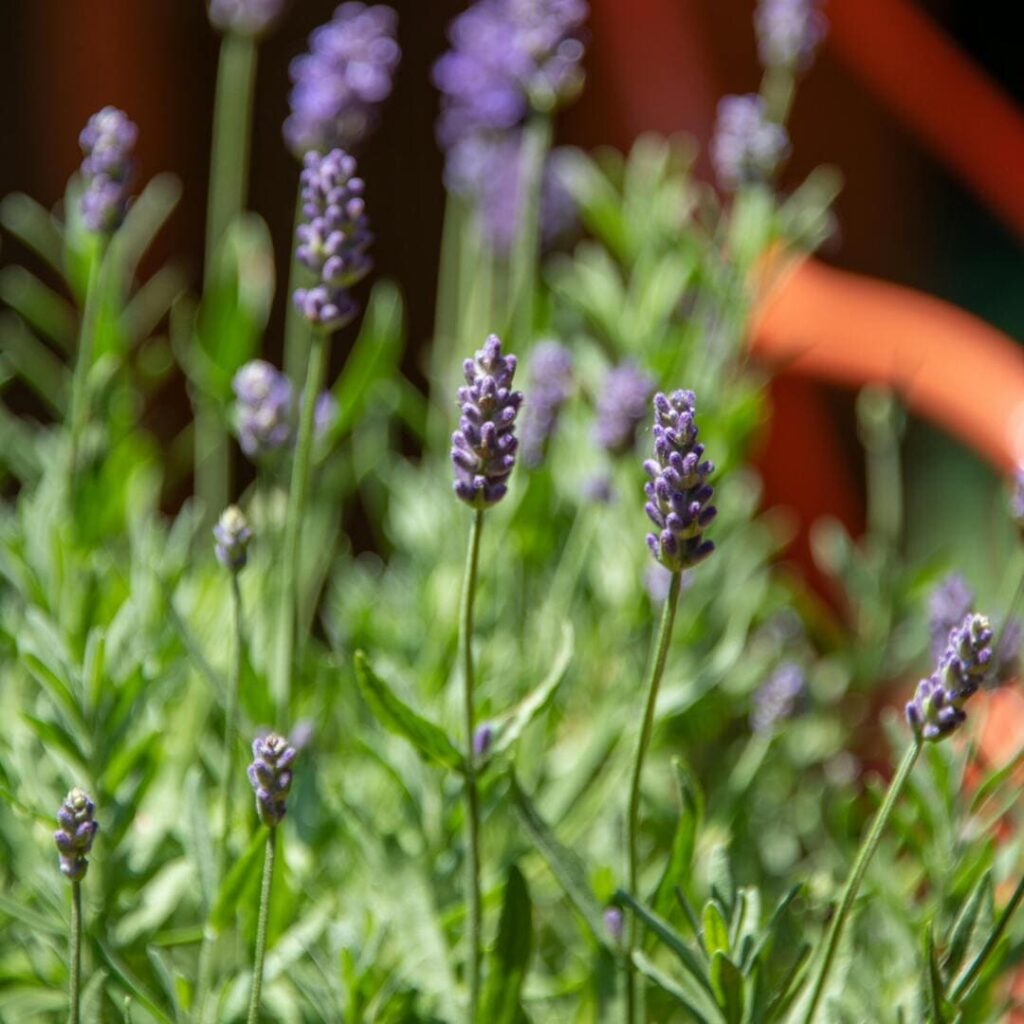
- Sun: Lavender in the backyard loves direct sunlight (8+ hours a day).
- Soil: Sandy, well-drained soil with a pH of 7 or higher. If the soil is heavy, add sand or small stones.
- Climate: It grows best in warm, dry areas but can also tolerate mild winters. In colder regions, protect it during winter.
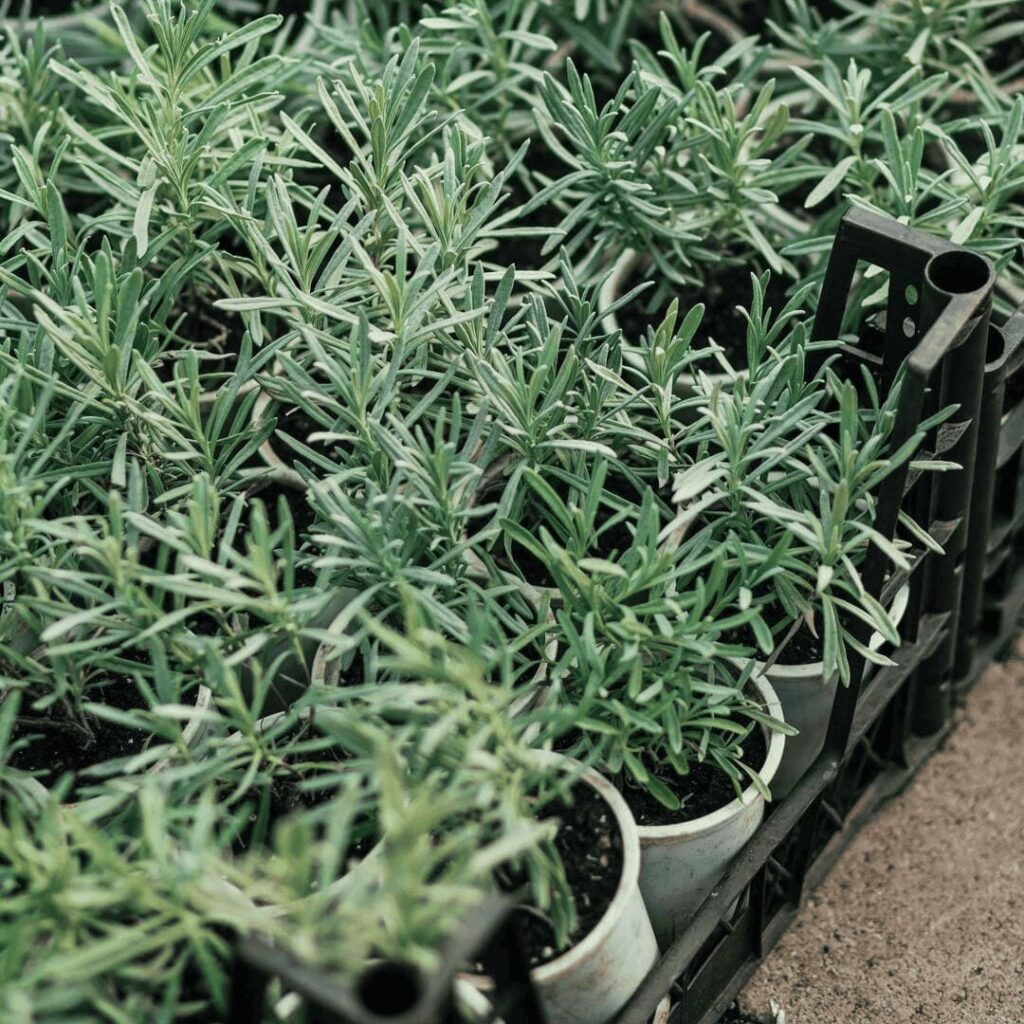
How to Choose Lavender Seedlings and Varieties
- English lavender (Lavandula angustifolia) – hardy, strong fragrance, tolerates cold.
- French lavender (Lavandula dentata) – prefers a warmer climate.
- Lavandin (Lavandula x intermedia) – hybrid, abundant in flowers and oil.
- Spanish lavender (Lavandula stoechas) – decorative, tolerates moisture.
Planting Lavender: Step by Step
- Prepare the Soil: Dig a hole and add a handful of sand or small stones for drainage.
- Spacing: Plant 40–60 cm apart – lavender in the backyard likes space.
- Planting: Carefully remove the seedling from the pot, place it in the hole, cover with soil, and water generously (only at this time).
- Mulching: Optionally, add a layer of mulch (gravel, small stones) around the plant.
Lavender Care Throughout the Year
- Watering: Only when the soil is completely dry. Lavender does not like moisture.
- Pruning: In early spring, shorten the stems by half – it encourages new growth and prevents hollowing.
- Fertilizing: Once a year with organic fertilizer or compost.
- Winter Protection: During severe frosts, cover the roots with dry leaves or straw.
Most Common Mistakes and How to Avoid Them
- Planting in the shade instead of in the sun.
- Overwatering or poor drainage.
- Lack of pruning.
- Planting too close together.
- Using heavy, clay soil.
Practical Uses of Lavender from Your Backyard
- Drying Flowers: Hang the bouquets upside down in a cool place, use for sachets or tea.
- Natural Spray: Make a disinfectant from dried flowers and essential oil.
- Baths and Aromatherapy: Add flowers or oil to the bath for relaxation.

Education
Book "Lavender - Beginner's Guide" (ebook)
1.200 RSD Original price was: 1.200 RSD.1.000 RSDCurrent price is: 1.000 RSD.
Lavandin Garden: How to Combine Lavender with Other Plants
Plants That Pair Well with Lavender
- Rosemary, sage, thyme, oregano
(They all love the sun and drier soil, making them ideal for a Mediterranean corner.) - Rose
Lavender repels aphids, making it an excellent protection for roses. - Echinacea, coneflower, evening primrose
Summer flowers that love the sun, whose blooms blend beautifully with the purple of lavender. - Ornamental grasses (Stipa, Festuca, Pennisetum)
Grasses add texture, while lavender provides color and fragrance. - Santolina, perovskia, sage
These plants have similar requirements and create a “natural fence” alongside lavender. - Catmint (Nepeta)
It attracts bees, is hardy, and spreads nicely alongside lavender.
How to Organize a Lavandin Garden
- Grupisanje: Plant lavender in groups or rows for a striking effect.
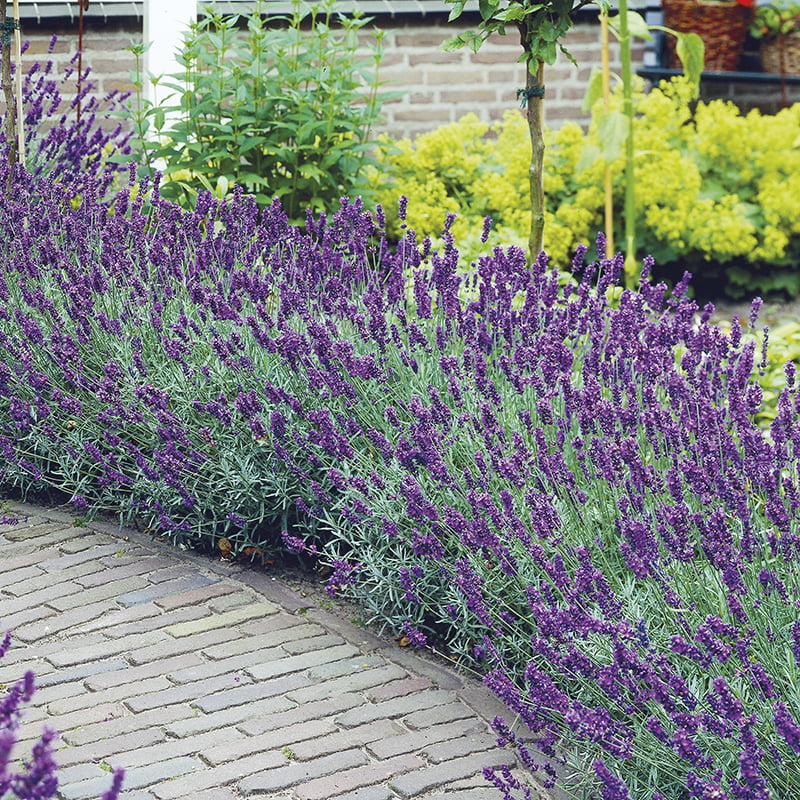
- Borders and Paths: Lavender is excellent for edging paths or as a low hedge.
- Height: Place lower lavender varieties in front, and taller or bushy plants at the back.
- Colors: Combine the purple tones of lavender with white, yellow, or pink flowers of other plants.
- Scents: Near paths or seating areas, plant fragrant plants (lavender, sage, lemon balm).
Maintaining a Lavandin Garden
- Irrigation: All “Mediterranean” neighbors of lavender prefer drier soil and do not require frequent watering.
- Mulching: Add a layer of gravel or crushed stone around the plants to retain moisture and prevent weed growth.
- Air Circulation: Ensure enough space between plants for good air circulation.
- Pruning: Regularly prune lavender and herbs to encourage growth and prevent woodiness.
Additional Tip
Conclusion
Lavender is a grateful, long-lasting, and versatile plant. With the right choice of location, proper planting, and minimal maintenance, you will enjoy its fragrance and beauty for years.
Questions and Answers (FAQ)
If water doesn’t linger and passes quickly through the soil, the drainage is good. Add sand or gravel if water tends to “pool.”
Spring or early autumn are ideal.
If the leaves turn yellow and the plant wilts, it’s a sign of too much water.
Leave a Reply