
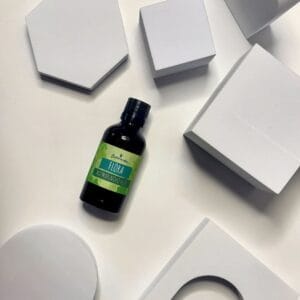
If you love natural care but don’t want complicated formulations and “chemistry in the kitchen”, this recipe is a great start if you’re interested in how to make a natural hair shampoo at home. The idea is simple: you take a gentle base that already cleans well, then enrich it with a few meaningful add-ins — this way you get a shampoo that’s practical, usable, and gentler than many harsh formulas.
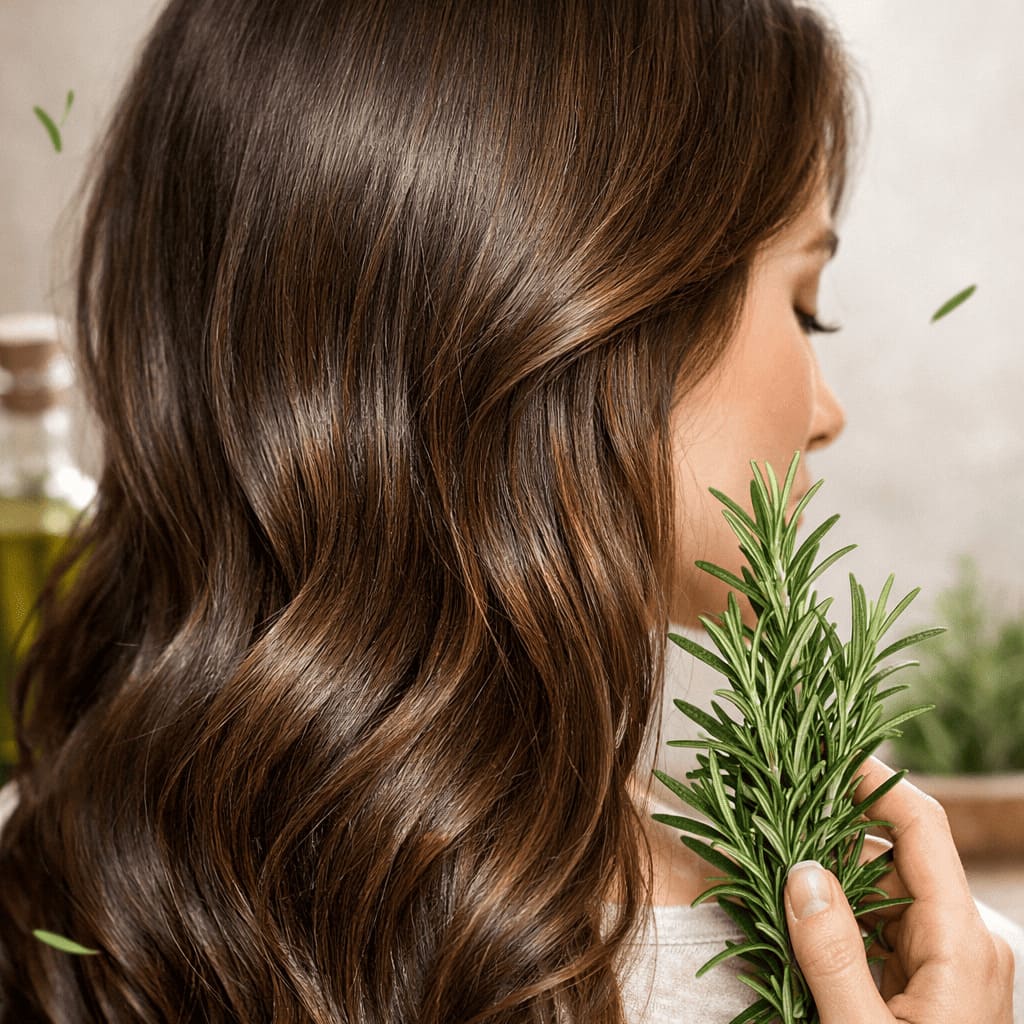
In this recipe, the main role is played by Flora rosemary oil: it gives a feeling of freshness, it’s especially pleasant for a scalp that gets oily faster and for hair that needs a bit more “lift” at the roots. If you want, you can also add lavender for a gentler scent and a calming note.
At Balavander we love DIY recipes like this because they’re honest: you give yourself control over your care routine, and the scent stays natural and herbal — the kind that reminds you of a garden and nature, not a perfume.
Table of content
Why people like this DIY shampoo (benefits)
Why people like this DIY shampoo (benefits) This “do-it-yourself” shampoo has a few advantages you can truly feel in your routine — especially if your scalp is sensitive, prone to oiliness, or occasionally has dandruff issues:
Less irritation, more balance: when you start with a gentle base and add only what you need, you often get a shampoo that feels “lighter” on the scalp (without overpowering scents and unnecessary extras).
Fresher scalp and “lighter” roots: Flora rosemary oil gives that clean, herbal feeling and it often feels great when the scalp gets oily faster or the hair quickly falls flat at the roots.
Support for an anti-dandruff routine: dandruff often doesn’t have a single cause (dryness, irritation, unsuitable products). This shampoo can be a good step toward a calmer scalp, especially if you also add lavender for a gentler note.
Stronger and more “lively” hair: rosemary is traditionally used in scalp care routines, so many people like to add it when they want the feeling of stronger roots and neater hair between washes.
You tailor it to your scalp: you can easily increase or reduce the add-ins (panthenol, AD drops, lavender) depending on how your hair reacts.
You know what’s inside: you choose the base and add-ins, without unnecessary “extras.”
A more natural scent: instead of strong perfumes, you get the scent of plants — subtle and pleasant.
Less waste: you make exactly as much as you need and you can easily change the recipe when the season or your hair condition changes.
What you need (basics)
For this DIY shampoo, you can choose one of two bases:
Option A (easiest): the simplest pharmacy shampoo (nettle/chamomile or neutral, without strong perfume)
Option B: liquid castile soap (for those who prefer a more minimal formula)
Additionally (optional, but useful):
liquid panthenol
AD drops (vitamins A + D in oil)
Recipe (200 ml) – the easiest version with a pharmacy base
This is the best option for beginners, because it’s stable and used like a classic shampoo.
Ingredients
180–190 ml of the simplest pharmacy shampoo
1 teaspoon of liquid panthenol
10–15 drops of AD drops
10–12 drops of Flora rosemary oil
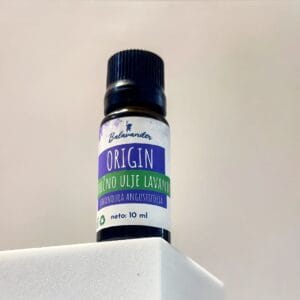
optional: 6–10 drops of lavender essential oil (if you want a gentler scent)
Instructions
Add panthenol to the shampoo bottle.
Add AD drops.
Add Flora rosemary oil (and lavender essential oil, if you’re using it).
Close the bottle and gently shake.
How to use
Apply a small amount to wet scalp, massage for 30–60 seconds and rinse well. If you have a lot of product on your hair (oils, hairspray, dry shampoo), do a double wash.
Recipe (about 200 ml) – version with liquid castile soap
If you want a “cleaner” base and you have castile soap on hand, this version is great, but it’s best to make it in smaller batches.
Ingredients
120 ml of distilled water or hydrolats
60 ml liquid castile soap
15–20 ml vegetable glycerin (recommended for gentleness)
1 teaspoon panthenol (optional)
10–12 drops of Flora rosemary oil
optional: 6–8 drops of lavender essential oil
Instructions
Mix water/hydrosol + glycerin + panthenol.
Add castile soap and stir slowly so you don’t create foam.
Add the oils, pour into a bottle, and shake.
Storage
It’s best to make this version for 2–3 weeks and store it in a cool, dark place. Shake before each use.
A small tip for the best result
More natural formulas often work best with a short but thorough scalp massage (30–60 seconds). That’s the part that makes the difference — both for cleanliness and for a fresh feeling.
FAQ (most common questions)
Yes. The version with a pharmacy base foams like a classic shampoo. Castile soap foams “more softly.”
Yes. If you use a lot of oils/serums or styling products, do a double wash.
Usually 2–3 times a week, but it depends on your scalp. If you feel tightness or itching, reduce the add-ins (especially AD drops) or switch to a gentler version.
They can if you overdo it. If your hair falls flat quickly, reduce AD drops or remove them.
Yes — in the amounts from the recipe it’s mild and suitable for routine use, especially if you like the fresh feeling on your scalp.
Yes. If your color fades quickly, choose a gentler base and avoid too many add-ins.
Conclusion
If you want this recipe to truly be “yours”, the easiest way is to start with one quality ingredient that makes a difference in scent and how your scalp feels. Flora rosemary oil is exactly that kind of add-in: a few drops are enough for the shampoo to get that clean, herbal character and a fresh feeling at the roots. If you like this type of care, you can also add it to other simple routines (e.g., into a pre-wash mask or into an oil scalp treatment), as a small step toward more natural care.
Note: If you add essential oils (e.g., lavender), stick to the recommended number of drops from the recipe.
Oils for skincare
Flora – Rosemary hair oil
495 RSD
Essential oils
Origin - lavender essential oil
495 RSD
Oils for skincare

Leave a Reply