




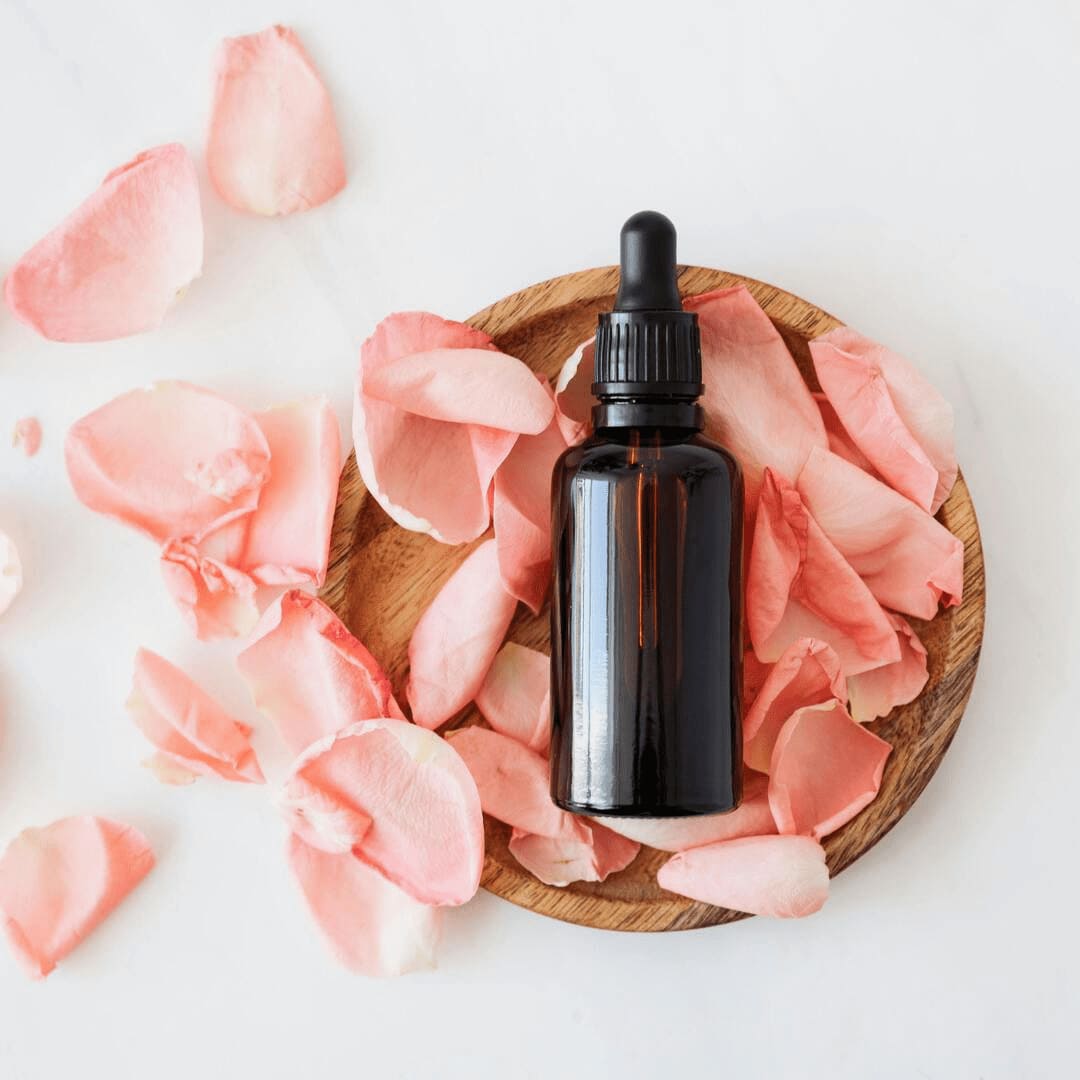
Have you ever wondered what it really means when a product is labeled “natural”? In the world of the cosmetics industry, this word is often blurred by marketing tricks and a lack of clear definitions. Therefore, before blindly trusting everything written on the label, let’s explore the truth about natural cosmetics together.
Table of content
Natural vs. Organic: What Does It Really Mean?
Natural cosmetics essentially refers to products that contain ingredients obtained from natural sources such as plants, minerals, or animal products, but the exact definition can vary. On the other hand, organic cosmetics are subject to stricter regulations, where all ingredients must be organically grown and produced without the use of pesticides or artificial fertilizers.
Benefits of Natural Cosmetics
Natural cosmetics is often praised for its numerous benefits. From beneficial effects on the skin to the sustainability of raw material sources, here are a few reasons why many choose natural products:
- Gentle formula: Free from harsh chemicals like sulfates and parabens, natural cosmetics offer gentle formulas that do not irritate the skin. This is especially important for people with sensitive skin who may have adverse reactions to harsh chemicals.
- Eco-friendly: Produced without harmful effects on the environment, organic cosmetics support sustainability and the protection of nature. This is important given the growing awareness of the need to preserve natural resources and reduce the negative impact on the environment.
- Without animal testing Many manufacturers natural cosmetics adhere to ethical principles by not testing their products on animals. This is an important aspect for those who support animal rights and want to support companies that follow these principles.
Natural Cosmetics. Myths and Truths.
However, despite all the praise, there are several myths surrounding natural cosmetics:
- High price One of the most common myths is that natural cosmetics are always more expensive than conventional products. While it is true that some products may be more expensive due to the use of high-quality ingredients, there is a wide range of natural cosmetics available at affordable prices. Additionally, in the long run, investing in quality cosmetics can result in savings, as often less product is needed to achieve the same results.
- Lower effectiveness Another myth is that natural cosmetics can be less effective than commercial products. However, many users claim the opposite, noting improvements in skin texture, hydration, and reduced irritation after switching to natural cosmetics.
How to Choose the Right Cosmetics for You?
Finally, to make the best decision for your skin, here are a few helpful tips:
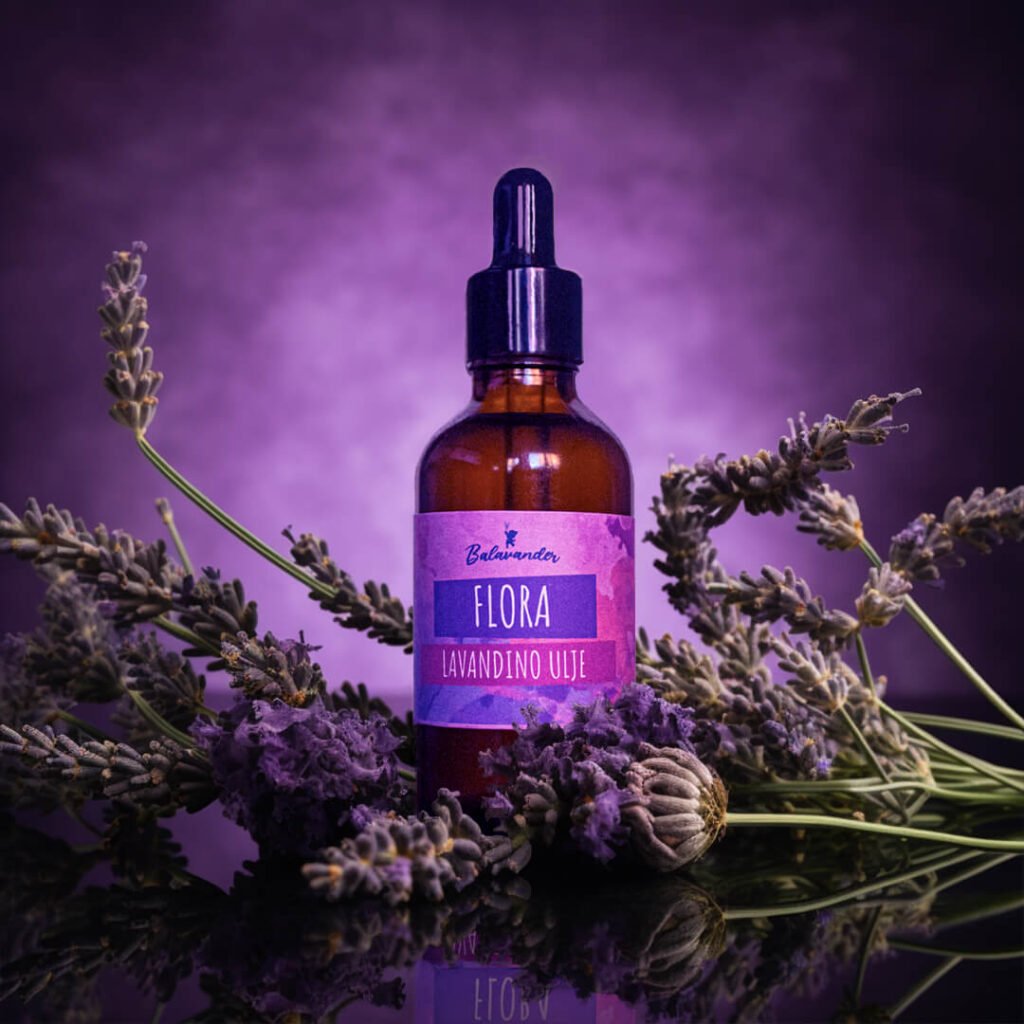
- Read the label Don't blindly trust marketing claims. Carefully read the ingredients to make sure they meet your needs. Sometimes brands use terms like "natural" or "organic" just to grab attention, but the product's composition can be far from natural.
- Research the brands It's not enough to just look for the "natural" label. Research the brands, read reviews, and learn more about their values and practices. Asking questions like where their ingredients come from and whether they support sustainable practices can help you make an informed decision.
- Listen to your skin Every skin is unique. If a product causes irritation or allergic reactions, it may be a sign that it's not suitable for you. Monitoring how your skin reacts to a product can help you understand which products are right for your needs and skin type.

Conclusion
At the end of the day, choosing between natural and commercial cosmetics is a personal decision. It’s important to research and educate yourself in order to make the best choice for your skin and for the planet. Natural cosmetics can offer numerous benefits, but it's important to be aware of potential drawbacks and balance them with your individual needs and preferences.
With smile,
Balavander
Leave a Reply