




Do you make it a habit to read the ingredients of the cosmetic products you use every day?
If you use cosmetic products that are easily found on supermarket shelves (soaps, shower gels, shampoos), there is a high chance that on the back, in small print, there is something called SLS, which is extremely harmful to our health.
The solution to this problem is simple: natural cosmetics and natural soaps without chemicals.
It is little known that Sodium Lauryl Sulphate although it is usually derived from palm oil, it was used as a degreaser for engines and machinery during World War II because it was very effective at removing grease, oil, and dirt.
This substance first appeared in a product called “Gunk,” which was advertised as a degreasing and engine-cleaning agent. This product still exists and can be found in hardware stores.
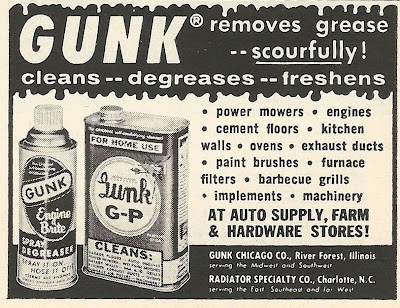
Soon after, when it became clear that SLS effectively removes fats and oils, it found its place in the detergent industry for laundry and household chemicals. Eventually, it also made its way into personal care products because it produces a large amount of foam and lather, giving the impression of effective cleaning.
As it turns out in the end, this substance was too good to be true, namely, SLS, besides removing impurities from our skin, also strips away natural oils that are essential for a balanced and normal functioning of skin cells.
With prolonged exposure of the skin to such treatments, the skin becomes dry and prone to infections, eczema, and other skin conditions.
But why is SLS still used in soaps and cosmetics?
Because it is cheap, and that is the only—and at the same time, disheartening—reason.
Table of content
Why Avoid SLS/SLES?
Removes natural oils from the skin
This “degreaser” removes all impurities, grease, and oil from the skin. At first glance, this may sound like a positive thing, but it’s important to know that the skin naturally produces its own oil, so-called sebum, which creates a protective layer and shields the skin from external factors.
When we use soaps that contain this chemical, besides removing impurities from the skin, we also remove this very important layer of natural oils, which represents the first line of defense against skin diseases and infections.
Causes irritation and inflammation
It has been scientifically proven that SLS irritates the skin. If you come into direct contact with this chemical, eczema-like irritations will appear on the skin.
Daily use of products containing this harmful chemical leaves long-lasting effects on our skin. By removing the skin’s natural sebum, it disrupts the function of the cells and sebaceous glands in the skin. Depending on your skin type, this can lead to the following problems:
- The sebaceous glands will try to compensate for the lack of sebum, and as a result, they will start producing more oil than expected. This excess oil accumulates in the upper layers of the skin, which can lead to problems such as acne and oily skin.
- The sebaceous glands will not detect the lack of sebum and will continue to produce the usual amount of natural oil. However, since using products with SLS removes this protective layer, over time the skin will become dry, cracked, and prone to various rashes and irritations.
Just as SLS can be found in industrial soaps and shower gels, it can also be found in various commercial shampoos. Various studies have shown that switching to using a natural shampoo without chemicals, participants showed improvements in hair growth and quality.
The explanation for this phenomenon is very simple: SLS irritates the scalp, which weakens the hair root and prevents normal growth and development.
One rule observed in today’s cosmetic industry is: “The cheaper the product, the more SLS it contains.” The calculation is simple. That’s why buying and using cheap cosmetic products isn’t the smartest thing you can do for your health. Always read the ingredient list, even for expensive and “nicely packaged” products.
Increases the skin’s permeability
SLS is also used in various medical products because it increases the rate at which the skin can absorb medication.
SLS actually irritates the mucous membrane inside the stomach, which allows the medication to enter the bloodstream faster and act more quickly. This isn’t necessarily so bad, because certain medication is taken consciously to solve a specific problem and is not used repeatedly every day.
When it comes to applying SLS on the skin, the effect is completely opposite. SLS constantly dries out our skin, sometimes even creating invisible irritations, which actually allow various toxins and harmful substances from the environment to enter our body.
Harmful to the eyes
SLS is harmful to the eyes. This is especially important when we talk about children and babies. SLS is present in many products designed for the care of children and babies (bath products, children’s shampoos, baby soaps).
SLS causes damage to the proteins in the eye. Therefore, it is very important not to use products containing SLS for the care of children and babies, as the consequences in this case cannot be easily corrected.
As you can see, SLS is not exactly an ingredient we want to find in the cosmetic products we use. The biggest problem is that it is present in numerous products because it affects their low cost. As we know, large companies are interested in profit, not your or our health.
Think about this when you read the ingredient list of your favorite soap, shower gel, or shampoo.
What is SLS?
SLS is an abbreviation for Sodium Lauryl Sulfate, which actually appears under several different names but has the same chemical formula. You can also recognize this chemical by the following names:
- Sodium Dodecyl Slulphate
- Sodium Monolauryl Sulphate
- Hydrogen Sulphate
- Sodium Deodecanesulphat
SLS is surfactant. It consists of hydrocarbons (palm oil, coconut oil, or petroleum) which are usually combined with sulfuric acid and an alkaline element (sodium hydroxide).
A surfactant is a chemical that reduces tension and friction between two materials.
The main reason this chemical is used is for cleaning, as it acts as a degreaser. This means it easily dissolves fats and oils, making them easier to clean and rinse with water.
Sodium Lauryl Sulfate is a synthetic detergent designed as a substitute for soap.
During World War II, specifically in February 1942, due to a food shortage, [it/they] was/were introduced. During World War II, specifically in February 1942, due to a food shortage, a strict limitation on soap production was introduced.. This decision was made to preserve natural oils and fats for food production and to prevent the risks of famine among the population. As a result, manufacturers at the time had to find an alternative solution and replace the existing raw materials with something else.
During that period (from 1942 to 1949), synthetic detergents found their way into the production of soap and cosmetic products.
After the war ended, soap production never returned to its original method, as the industry realized that this approach yielded higher profits by eliminating expensive raw materials from their formulations.
What is SLS made of?
- Sodium hydroxide – The alkaline part of the chemical. Its pH value is 12. This substance comes in the form of a salt. It can also be produced naturally by leaching ashes. Traditionally, it is used in soap production.
- Sulfuric acid – One of the strongest acids known to man, with a pH value of 1. This acid is much stronger and more dangerous than natural acids used in the production of natural soaps. Additionally, its widespread availability affects its low cost.
- Hydrocarbon – Its application varies depending on the production technology, but the fact is that it is obtained as a by-product of petroleum processing or during the processing of palm and coconut oil.
What is SLES?
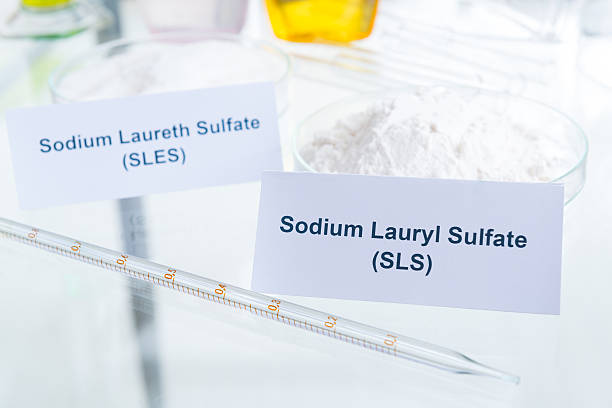
SLES is the abbreviation for the chemical called Sodium Laureth SulphateThis substance is obtained by processing SLS, through a process called Ethoxylation.
Ethoxylation is a process in which ethylene oxide reacts with a base, reducing its harshness. This process is often used for surfactants in the cosmetics industry.
Ethylene oxide It is a colorless gas with a sweetish odor. It is most commonly used in the production of other chemicals, such as SLES or antifreeze. It can also be used as a pesticide or as a sterilizer due to its ability to destroy cellular DNA. Because of these properties, it is also found in on the list of carcinogenic substances..
SLES is gentler on the skin compared to SLS, but essentially they are very similar in terms of cleaning ability.
SLES is an improved version of SLS that has found wide use in the cosmetics industry and is used for making soaps, shampoos, shower gels, liquid hand soaps, and toothpaste.
Both SLS and SLES are used to create richer foam and bubbles. For this reason, they are often used in shaving products or scented baths.
What is SLES made of?
- Sodium hydroxide – The alkaline part of the chemical. Its pH value is 12. This substance comes in the form of a salt. It can also be produced naturally by leaching ashes. Traditionally, it is used in soap production.
- Sulfuric acid – One of the strongest acids known to man, with a pH value of 1. This acid is much stronger and more dangerous than natural acids used in the production of natural soaps. Additionally, its widespread availability affects its low cost.
- Hydrocarbon – Its application varies depending on the production technology, but the fact is that it is obtained as a by-product of petroleum processing or during the processing of palm and coconut oil.
- Ethylene oxide – A colorless gas used in the production of other chemicals to reduce their harshness. It is listed as a carcinogenic substance.
What does SLS/SLES free mean?
You have probably noticed the labels “SLS free” or “SLES free” on some cosmetic products. The reason for this is that these chemicals have a very bad reputation due to the harmful effects we have already mentioned.
The label “SLS & SLES free” indicates that the product does not contain the mentioned chemicals. The problematic part is that this label does not guarantee that the product is free from other sulfates that have similar properties and characteristics. Marketing in the cosmetics industry is everything.
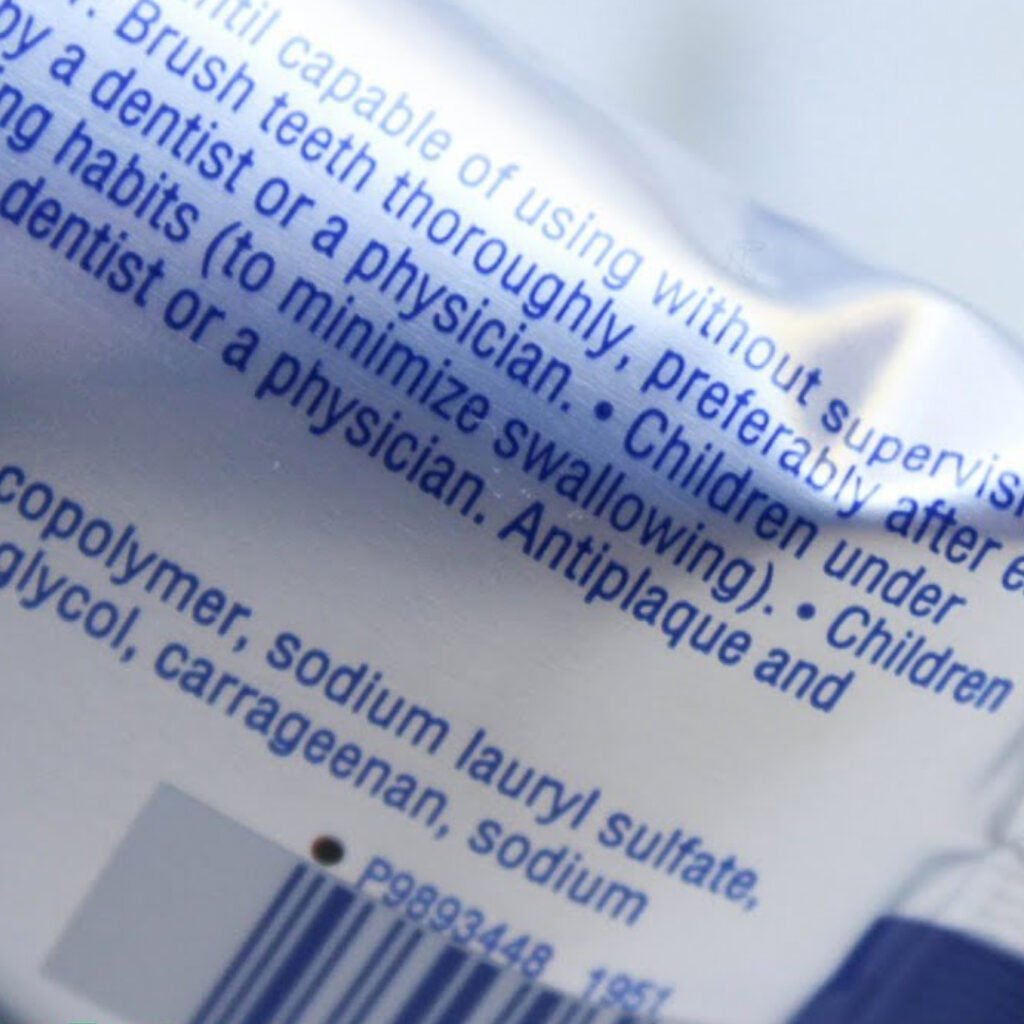
Always read the ingredients on the back of the product before you buy it.
Some of the chemicals that are used for marketing purposes to mislead careless buyers, and behave almost identically to SLS and SLES, are:
- Sodium C14-16 Olefin Sulfonate
- Cocamidopropyl Betaine
- Sodium cocosulfate
- Lauramidopropyl Betaine
- Sodium Cocoyl Isethionate
- Sodium Lauroyl Sarcosinate
There is an extremely large number of such chemicals, which major chemical companies develop in order to bypass these criteria while maintaining economic efficiency.
The truth is that all these chemicals essentially have a very similar chemical structure to SLS and can never replace the quality it provides. Natural products, natural soaps and completely natural cosmetics.
One simple piece of advice you can follow when choosing cosmetics is: “If you can’t read the ingredients, it’s very likely that you don’t want it on your skin either.“
Where You Won’t Find SLS/SLES?
From our point of view, when we talk about true natural cosmetics, it is not just a “phrase” or a marketing trick used to attract customers and generate quick profit.
Always pay attention to familiar phrases presented on product packaging, such as SLS free, vegan, GMO free, Silicone free, Paraben free, Best-selling, Consumer choice and similar,
because it does not mean that they do not contain ingredients that could be harmful to our health.
Natural cosmetics represents a firm stance and determination to offer the end customer the highest quality product possible, without any tricks or hidden details.
Our products Our natural soaps have also been tested and labeled as safe for use, so you can be sure that the ingredients listed on each product are accurate.
We know that trust is not built overnight.
Therefore, pay attention to your health and read the ingredients of products.
In the end, over time, you will judge for yourself what is best for you.
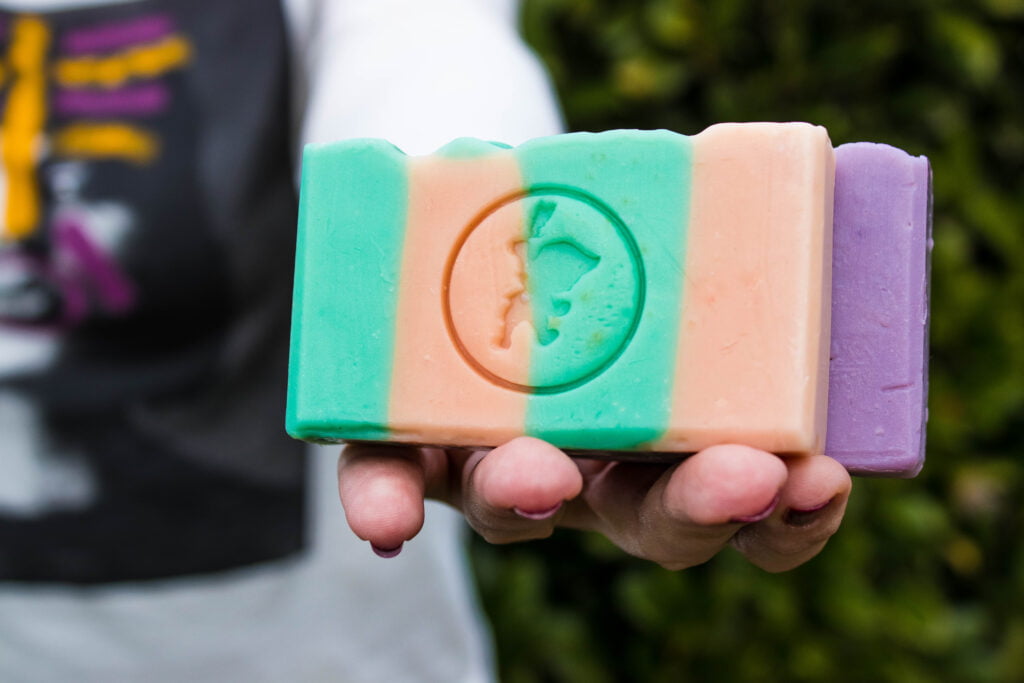
Conclusion
If until now you were not aware that you are using a degreasing agent for engines to clean your skin, and you don’t like this information, perhaps now is the right time to turn to natural soaps and natural cosmetics, giving your skin the care it deserves.
Find out more about our range in our shop and see for yourself why natural soaps without chemicals are the best thing for your skin.
With smile,
Balavander
Treat yourself
Treat yourself to the natural cosmetics you deserve.
Leave a Reply